
Aloe Vera Skincare: Benefits for Your Chemo Skin

Skincare products commonly use aloe vera, a medicinal plant renowned for its skin-healing properties. It can be beneficial for those undergoing chemotherapy, as it helps soothe and heal the skin. Chemotherapy can cause skin dryness, itchiness, and rashes, and aloe vera can provide relief for these symptoms.
Aloe vera soaps and lotions are effective due to their moisturizing properties and additional benefits like anti-inflammatory, antibacterial, and antioxidant effects. These properties protect the skin from chemotherapy-induced damage and promote faster healing.
When choosing aloe vera skincare products for a child undergoing chemotherapy, opt for gentle, natural formulations without harsh chemicals or fragrances that could further irritate the skin. Look for products specifically designed for sensitive skin, as the skin of a child with cancer can be delicate.
Product types of interest
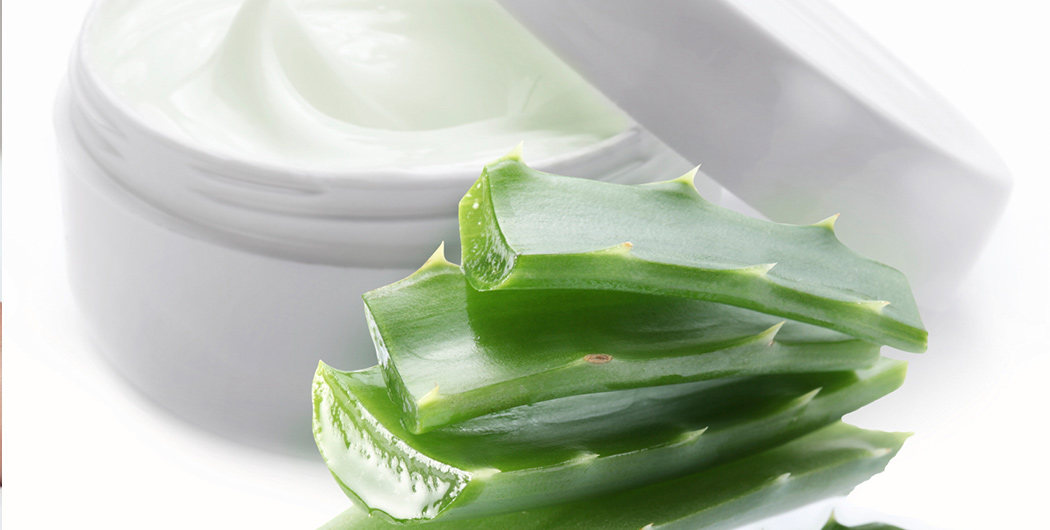
- Aloe vera gel: You can apply pure aloe vera gel directly to the skin to soothe and hydrate it, as well as to treat minor cuts and burns.
- Aloe vera lotion: Aloe vera lotion is a light and gentle moisturizer that can help soothe dry and itchy skin.
- Aloe vera soap: Aloe vera soap can help cleanse the skin without stripping it of its natural oils. It can also help soothe skin irritations and rashes.
- Aloe vera cream: Aloe vera cream is a thicker and more nourishing moisturizer that can provide long-lasting hydration and protection to the skin.
When using aloe vera skincare products, it is important to follow the instructions carefully and to patch test the product before using it on a larger area of skin. If you experience any adverse reactions, discontinue the product immediately.
Overall, aloe vera soaps and lotions can be a great addition to a child’s skincare routine during chemotherapy. They can help soothe and heal the skin, as well as provide additional protection from damage caused by chemotherapy.
10 Benefits of Aloe Vera for Skin
- Soothing and Healing: Aloe vera has natural anti-inflammatory properties that help soothe and calm irritated or sensitive skin. It can also aid in the healing process of wounds, burns, and skin irritations.
- Moisturizing: Aloe vera is a natural moisturizer that helps hydrate the skin without leaving it greasy or clogging pores. It can improve the skin’s overall hydration and elasticity.
- Anti-Aging: Aloe vera contains antioxidants that can help combat the effects of free radicals, which contribute to skin aging. It may help reduce the appearance of fine lines and wrinkles, promoting a more youthful complexion.
- Acne Treatment: Aloe vera has antibacterial properties that can help prevent and treat acne. It can soothe inflammation, reduce redness, and promote healing of acne lesions.
- Sunburn Relief: Aloe vera is a common choice for its ability to cool and soothe sunburned skin. It can provide relief from sunburn symptoms such as redness, pain, and peeling.
- Even Skin Tone: Aloe vera may help in improving the appearance of uneven skin tone and hyperpigmentation. It can promote a more balanced complexion and reduce the visibility of dark spots.
- Gentle Exfoliation: Aloe vera contains natural enzymes that gently exfoliate the skin, removing dead cells and promoting a smoother texture.
- Antioxidant Protection: The antioxidants present in aloe vera can help protect the skin against damage caused by environmental stressors, such as pollution and UV radiation.
- Hydrating Scalp and Hair: Aloe vera can also be beneficial for the scalp and hair, providing hydration, soothing itchiness, and promoting healthy hair growth.
- Aloe vera suits sensitive skin well as it is gentle, non-irritating, and generally well-tolerated by most skin types.
Please note that individual experiences may vary, and it’s essential to perform a patch test before using aloe vera products, especially if you have allergies or sensitivities.
“Please note that the information provided in this blog post is for informational purposes only and should not be considered as medical, legal, or professional advice. For full legal disclosures and to understand the terms of use of our website, please visit our Privacy, Disclaimer, Legal Notice page.”