

Families Receiving Pediatric Cancer Diagnosis

Impact on Families of Children With Cancer
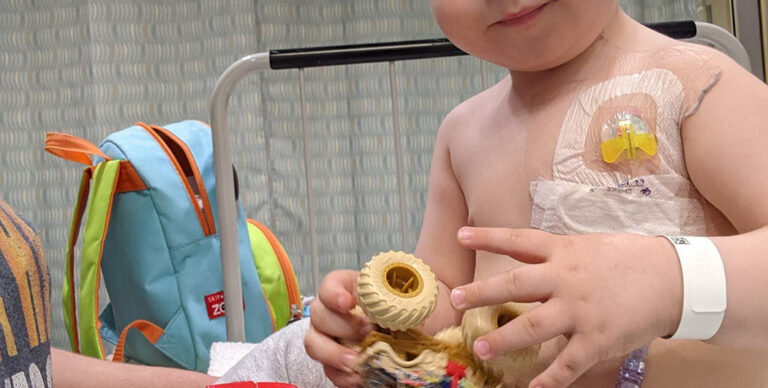
For families, a pediatric cancer diagnosis not only affects the child but also profoundly impacts each family member. It can affect the overall functioning of the family. Suddenly, life changes for everyone, and the stress can be overwhelming. Sassy Carmen offers programs to support families during this challenging time.
Parents
Few things are as devastating for parents as learning their child has cancer. Studies show that parents face numerous unmet needs. The major one is the need for information about their child’s condition. Many parents find that the medical staff does not provide enough information. This hinders their ability to make informed decisions and participate in their child’s care. Medical staff do not provide parents with enough information to understand the side effects of treatment, ways of coping, or the long-term effects of treatment on survivors.
When parents learn their child has cancer, they often feel anger, sadness, guilt, fear, and denial. They may seek spiritual support as they try to make sense of their child’s illness and look for explanations.
Parents may become overwhelmed by the financial and physical demands placed on them. Treatment costs, medical supplies, and health support create financial burdens, especially if one parent must quit their job. Often, this is the mother. The child’s cancer treatment imposes significant time demands on the parents. About one-third of families report spending forty hours a week on cancer care. During this time, parents continue to manage other responsibilities, such as meal preparation, household chores, and caring for siblings.
This can lead to physical symptoms, such as loss of appetite, weight loss, difficulty sleeping, fatigue, and headaches.
Siblings
Cancer significantly impacts the siblings of the diagnosed child. Each child reacts differently, and the emotional reactions can change daily. Siblings will likely experience a variety of emotions throughout the cancer journey. The sibling may feel guilty, believing the illness is their fault, or they may feel it should have been them. They may feel abandoned as cancer care takes so much of their parents’ time. This can lead to missing school or social events.
The sibling may frequently be under the care of friends or relatives while parents are involved in cancer care. They may feel sadness or grief over losing their previous lifestyle. They may worry about losing their sibling or miss them during prolonged hospitalizations. The sibling may feel anger. This can be directed towards self or others, including the child with cancer. Sometimes they may be mad about unrelated situations. The sibling may experience fear and anxiety. Older children are likely to have different fears from younger children. Young children may fear catching cancer and getting sick. Older children may be afraid when their sibling has tests. A lack of knowledge about their sibling’s diagnosis can increase their anxiety.
The stress caused by a cancer diagnosis in a child can cause the sibling to regress. Some children act like a baby or use baby talk, while others struggle with school and friendships. Still others may begin wetting the bed, experience frequent headaches, or have difficulty sleeping. The sibling may perform poorly in school or struggle to focus on homework. They may act out and misbehave or become withdrawn. However, a cancer diagnosis may have the opposite effect on some siblings. They may try harder and perform better in school.
How Parents Can Help Siblings
Parents can help siblings by encouraging open dialogue. Being honest and explaining what is happening can help reduce anxiety. It helps if parents explain their own anxiety and how they cope. The sibling should be encouraged to express anger in healthy ways. They should be encouraged to stay connected to the child with cancer during prolonged hospital stays. Emails and texts can be beneficial between visits. Setting aside quality time for the sibling is essential.
Depression and Siblings
Occasionally, a stressful life event such as a cancer diagnosis in a sibling can lead to depression. Signs of depression can include mood changes such as excessive sadness or irritability, and a lack of interest in cherished activities. They may experience a lack of energy or fatigue, low self-esteem, speak negatively about themselves, and feel a sense of worthlessness. They may eat more or less than usual or sleep more or less than usual. Depression can put the sibling at risk of substance use disorders or suicide. If a sibling shows signs of depression, it is essential to seek professional help.
Grandparents
Grandparents often serve as invaluable resources. They provide emotional support to parents, care for siblings, assist with household chores, and sometimes offer financial aid. However, they frequently see themselves as bystanders. Grandparents, more often than parents, have unmet information needs related to their grandchild’s diagnosis. This is because they are often excluded from the loop due to patient confidentiality regulations. They often find themselves on an emotional rollercoaster, experiencing shock, helplessness, anger, and fear. Grandparents may experience depression and a decreased quality of life.
Sassy Carmen, Working with Families
Sassy Carmen can help families with many of these needs. They offer several helpful programs:
The Creating Memories program offers enjoyable activities for children and their families.
The Transportation Assistance Program offers prepaid gas and toll cards after calculating expenses.
The Buddy System program pairs families with a volunteer who assists with errands and chores. They help with meal planning, grocery shopping, and meal delivery. They also offer guidance on skincare needs associated with cancer treatment and provide emotional support.
The nutrition program provides nutritional support for families. The Sassy Carmen Foundation will collaborate with the child’s hospital dietitian to plan meals and provide nutritional education.
The Home Bag program provides packages containing skin care products specifically designed for sensitive skin during cancer treatment. They also offer educational resources to help manage skin care challenges.
Sassy Carmen also offers valuable information on various topics related to pediatric cancer, available in both their blog posts and resource center. The resource center also includes a guide that provides contact information for other organizations throughout the United States that offer services related to pediatric cancer.
Post Traumatic Stress Disorder (PTSD)
A pediatric cancer diagnosis can be traumatic for the child and their family. The child or family member may experience post-traumatic stress symptoms (PTS). Common symptoms are avoiding people, places, or things, being hypervigilant or feeling constantly on alert, or having difficulty sleeping. Other symptoms include nightmares, flashbacks, guilt, depression, and a lack of interest in doing things or seeing people. If these symptoms last more than a month and become so severe that they start interfering with the person’s ability to function, it may be post-traumatic stress disorder (PTSD).
Relaxation techniques and support groups can help people cope with PTS and PTSD, but they should seek professional help. They should discuss this with their doctor or health care provider.
References
Alex’s Lemonade Stand. Childhood Cancer Survivors. Post Traumatic Stress
https://www.alexslemonade.org/childhood-cancer/guides/childhood-cancer-survivors/chapter-2-emotions/post-traumatic-stress
American Cancer Society. Cancer-Related Post-Traumatic Stress and PTSD.
https://www.cancer.org/cancer/survivorship/long-term-health-concerns/post-traumatic-stress-disorder-and-cancer.html#:~:text=with%20mental%20distress.-,Caregivers%20and%20post%2Dtraumatic%20stress,for%20caregivers%20and%20family %20members.
Canadian Cancer Society. How Siblings May React. https://cancer.ca/en/living-with-cancer/your-child-has-cancer/newly-diagnosed/how-siblings-may-react
Cancer Council. Reactions and Emotions to Childhood Cancer. Common Reactions to a Cancer Diagnosis in a Child. https://www.cancer.org.au/cancer-information/types-of-cancer/childhood-cancers/reactions-and-emotions-to-childhood-cancer
Cleveland Clinic. Depression in Children. https://my.clevelandclinic.org/health/diseases/14938-depression-in-children
National Library of Medicine. (2022, January 23) The Needs of Parents of Children who have Cancer – Continuation of Research. https://pmc.ncbi.nlm.nih.gov/articles/PMC8870376/
Science Direct. (September, 2024). The Information Needs of Relatives of Childhood Cancer Patients and Survivors: A Systematic Review of Quantitative Evidence.
https://doi.org/10.1016/j.pec.2024.108316
Science Direct. (June 2024) Psychological Distress in Grandparents of Grandchildren who Survived Childhood Cancer – Results from the GROkids Project.
https://doi.org/10.1016/j.ejcped.2024.100162
Sanford Health. (July 15, 2017). The Impact of a Child’s Cancer on Siblings