

Support Siblings of Children with Cancer: Tips for Coping

For Cancer Sibling Support: My child has cancer, how can I help the siblings feel better while managing germs?
When a child is diagnosed with cancer, it can be an overwhelming and difficult time for the entire family. Don’t overlook the needs of the siblings while focusing on the child with cancer.
First up, Coping Tips to help siblings feel better when their brother or sister has cancer:
- Talk openly and honestly: It’s important to talk openly and honestly with siblings about their sibling’s diagnosis and treatment plan. Cancer Sibling Support is extremely important! Use age-appropriate language and answer any questions they may have. Let them know that it’s okay to feel scared or worried, and encourage them to express their feelings.
- Keep siblings informed: Keep siblings informed about their sibling’s treatment plan and any changes in their medical status. This can help alleviate anxiety and uncertainty.
- Maintain a routine: Maintaining a routine can help provide a sense of normalcy for siblings. Try to keep regular meal times, bedtime routines, and other activities as consistent as possible.
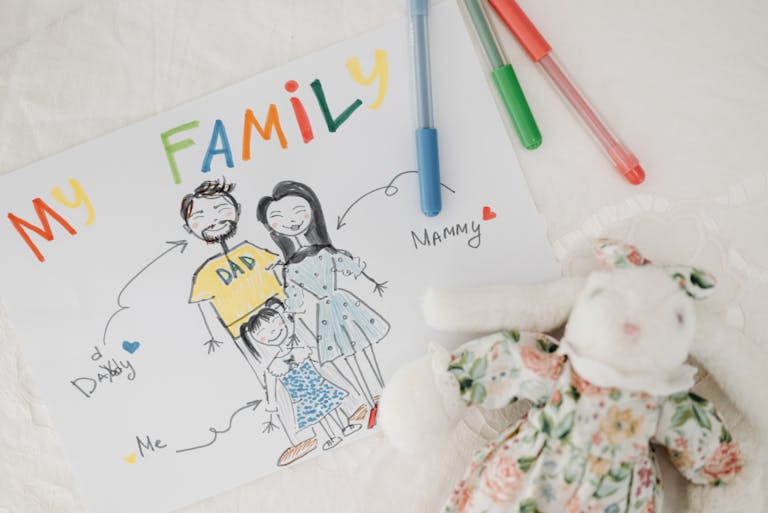
- Encourage siblings to express themselves: Encourage siblings to express themselves through art, writing, or other creative outlets. This can be a helpful way for them to process their emotions.
- Provide opportunities for quality time: Make time for special activities or outings with siblings. Even just a walk in the park or a movie night at home can be special. This can help siblings feel valued and loved.
- Seek Cancer Sibling Support: Don’t be afraid to seek support for your child’s siblings, whether it’s through a support group or counseling. These resources can provide a safe space for siblings to express their feelings. Sometimes they need to connect with others going through similar experiences.
Cancer Sibling Support- don’t overlook
In summary, when a child has cancer, it’s important not to overlook the needs of their siblings. Talking openly and honestly and keeping siblings informed is very important. Maintaining a routine, and encouraging self-expression are effective ways to support siblings during a child’s cancer journey as well. Providing opportunities for quality time and seeking support is also crucial for helping siblings feel better in this difficult time.
Creating a supportive environment helps everyone cope with childhood cancer’s challenges.
Those little things aren’t so little anymore.
Keep in mind that learning about your child’s new life with cancer can be overwhelming for the entire family. Everyday activities, once taken for granted, such as going out to dinner or having playdates, may now be virtually impossible.
Considerations for dining out or having playdates with a child with cancer.
Going out to dinner:
Going out to dinner can be a great way to take a break from the stress of dealing with cancer. However, taking precautions is important to ensure your child’s safety. For example, make sure the restaurant is clean and well-maintained. You should avoid buffets or other self-serve options where the risk of contamination is higher. It’s also a good idea to call ahead and let the restaurant know about your child’s condition. This may help them take any necessary precautions.
Having playdates:
Playdates can be a great way for your child to socialize and have fun with their friends. However, when your child has cancer, there are some additional factors to consider. Always ensure your child’s immune system is strong enough to handle being around other children. You may need to limit playdates to children who are up-to-date on their vaccinations and are in good health. It’s also a good idea to talk to the parents of your child’s friends about your child’s condition. This way they can be informed and take any necessary precautions.
When a child is diagnosed with cancer, their immune system is often weakened. Treatments such as chemotherapy and radiation therapy take a toll. This can make them more susceptible to infections and illnesses caused by germs. As a result, it’s important to take extra precautions to prevent the spread of germs and protect your child’s health.
Manage Cancer Sibling Support – The Germs
A few more tips for managing germs when your child has cancer. As well as some gift ideas and activities to help them stay engaged and entertained.
Managing Germs:
One of the most important things you can do to manage germs when your child has cancer is to practice good hygiene. This includes washing your hands frequently, especially before and after handling your child’s food, medications, or medical supplies. It’s also important to disinfect surfaces and objects that may be touched frequently, such as doorknobs, light switches, and toys.
Another way to manage germs is to limit exposure to people who may be sick. Avoid large crowds and events. Ask unwell friends and family members to postpone visits until they’re better.
Gift Ideas:
When a child is undergoing cancer treatments, it’s important to find ways to keep them engaged and entertained while also minimizing their risk of exposure to germs. Consider gift alternatives to stuffed animals, as they can potentially harbor germs. Instead, opt for gifts like books, puzzles, and craft supplies. These options can provide entertainment, stimulate their minds, and encourage creativity, all while reducing the risk of spreading germs.
Activities:
Plan activities that keep your child engaged and entertained. Try to do this without requiring them to leave the house or be in large groups of people. This helps ensure their safety while still providing enjoyable experiences.. For example, you could plan a movie night at home or set up a scavenger hunt in your backyard. You could also have friends or family members visit your child for a playdate. Just make sure they’re healthy and have washed their hands before coming over.
In conclusion, managing germs when your child has cancer is crucial for protecting their health and well-being. Practice good hygiene, limit exposure to sick people, and find creative ways to keep your child engaged and entertained. These actions will provide comfort and joy during this challenging time.
“Please note that the information provided in this blog post is for informational purposes only and should not be considered as medical, legal, or professional advice. For full legal disclosures and to understand the terms of use of our website, please visit our Privacy, Disclaimer, Legal Notice page.”