

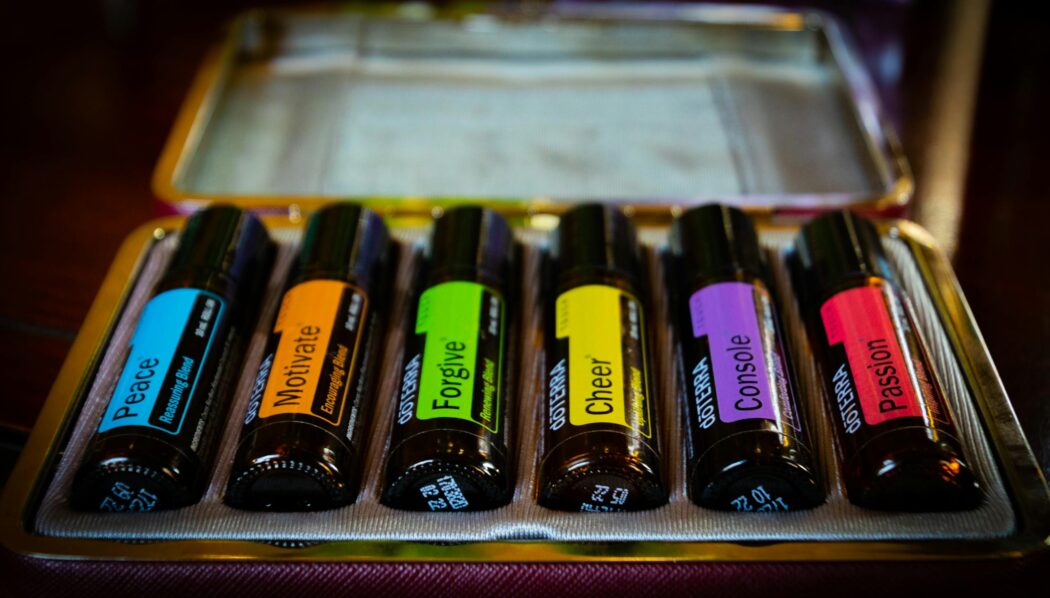
Essential Oils May Help

Looking into Essential Oils to help manage cancer treatment side effects
The number of people diagnosed with cancer in the world is increasing every year, and a certain number is attributable to childhood cancers. Cancer is a leading cause of death for children and adolescents. Although childhood cancer cannot generally be prevented or identified through screening, most types of childhood cancer can be cured with generic medicines and other forms of treatment, including surgery and radiotherapy.
Facts
Each year, an estimated 400,000 children and adolescents aged 0–19 years develop cancer. The most common types of childhood cancer include leukemias, brain tumors, lymphomas, and solid tumors such as neuroblastoma and Wilms’ tumor.
Treatments and Side Effects
- Cancer treatments have many side effects. A side effect happens when treatment damages healthy cells or when surgery removes organs. Side effects can be different for each child and for different medicines and kinds of treatment.
- Chemotherapy may cause a low white blood cell count, which can cause neutropenia. Neutropenia is a decrease in white blood cells, the body’s main defense against infection.
- If lymph nodes are removed during surgery, or if radiation treatment damages a lymph node or vessel, the lymph fluid may not be able to drain properly. The fluid builds up under your skin and inside your body, leading to swelling or lymphedema.
- Cancer treatments can make you feel sick to your stomach and cause vomiting.
- Cancer itself and treatments for it may cause pain. Pain can make it harder to do everyday activities and lower the quality of life.
- Pediatric cancer pain is one of the most challenging types of pain to manage. Nearly every child diagnosed with cancer will have pain.
- Cancer treatments can cause many other side effects, including tiredness, trouble eating, sleep disturbances, and skin irritations.
Pain Associated with Pediatric Cancers
Pediatric cancer pain is one of the most challenging types of pain to manage. Cancer pain can be associated with several causes. These include tumors themselves, cancer treatments, or even underlying illnesses. Pain may be sudden or come and go intermittently, and can last weeks to months. Discomfort may be in the form of a headache, backache, stomachache, or soreness in the legs, arms, joints, or mouth.
Pain may become a child’s main focus, affecting their ability to concentrate on other things. In some instances, pain may be so severe that children are unable to verbalize their needs.
Caregivers can better understand a child’s pain through observation of body language and active listening while interacting with the child.
Complementary Therapies
For some cancer patients, treatment is a rough road to travel. This is why they often seek additional practices or products that can be used in conjunction with their standard cancer treatment to help manage cancer symptoms and side effects. Many complementary therapies, such as essential oils, appear to have gained significant attention for their potential to aid cancer patients during treatment.
When using aromatherapy or oils, many studies in children (and their families) with cancer focus on:
- symptoms of cancer and its treatment
- quality of life
- anxiety
Some clinical studies have shown that essential oils can alleviate symptoms and improve mood. However, before using essential oils on a child, discuss the topic with an aromatherapy practitioner and the child’s primary care physician to ensure the oils do not interfere with their medications.
This article explores the potential benefits of essential oils for managing side effects in pediatric cancer patients. This means filling in the gaps and missing pieces that families and children of the Sassy Carmen Foundation need but have yet to find help.
Understanding Cancer Treatment Side Effects in Children
Common side effects that children experience from cancer treatments (chemotherapy, radiation, surgery, etc.) are:
- Nausea and vomiting
- Pain and discomfort
- Anxiety and stress
- Sleep disturbances
- Fatigue
- Skin irritations
It is important to manage these side effects to improve a child’s quality of life. Essential oils are one alternative way to help alleviate these.
What Are Essential Oils?
Essential oils are the fragrant (aromatic) part found in many plants, often under the surface of leaves, bark, or peel. The fragrance is emitted when the plant is crushed or subjected to a specialized steam distillation process.
Since many companies are selling synthetic fragrances marketed as essential oils, it’s first important to understand where essential oils come from and what to look for when purchasing them. It’s also important to understand the ongoing research around essential oils. Essential oils that are sold are not regulated by the Food and Drug Administration, and safety studies are limited.
Essential oils interact with the body in several ways. They can be applied to the skin, inhaled, or diffused. Oils applied to a child’s skin must be diluted with a carrier oil, such as fractionated coconut oil, before application. Knowing the correct dosage of each oil for the child’s age is essential.
The effects of aromatherapy are said to result from the binding of chemical components in the essential oil to receptors in the olfactory bulb, impacting the brain’s emotional center.
Indirect inhalation involves the patient breathing in an essential oil by using a room diffuser, which spreads the essential oil through the air. Similarly, an aroma stick or essential oil inhaler, similar in design to a nasal inhaler for cold relief, can be used to inhale the oil directly. When diffusing essential oils, be mindful of others around you to make sure you are not putting others at risk. Also, they should be avoided in public areas.
Common Essential Oils Considered Safe for Children
Remember that because everyone has unique body chemistry, oils work differently for each individual. For this reason, it may take some time before you notice an improvement in your symptoms.
The most common oils and their uses for cancer treatment side effects are:
- Lavender: used to improve sleep, reduce inflammation, and alleviate symptoms of depression.
- Eucalyptus: used to invigorate, reduce fever, and fight migraines and bacterial infections.
- Chamomile: used to soothe, promote sleep, and support the immune system.
- Bergamot: used to treat stress, anxiety, depression, and fatigue.
- Peppermint: used to boost energy, enhance mental alertness, fight fever, and relieve nausea and other digestive issues.
- Ginger: used to stimulate the appetite and help ease nausea, vomiting, and digestive issues.
- Cedarwood: can promote relaxation and reduce stress.
- Frankincense: used to reduce inflammation and pain, boost immunity, soothe skin irritations, fight infections, and improve anxiety.
How Essential Oils May Help in Managing Cancer Treatment Side Effects
Aromatherapy for Nausea and Vomiting
- Oils such as peppermint, ginger, and lemon may help reduce nausea.
- Studies support the use of aromatherapy for chemotherapy-induced nausea.
Pain Management
- Oils such as lavender, chamomile, and frankincense can help relieve pain and inflammation.
- These oils also promote relaxation and reduce the perception of pain.
Reducing Anxiety and Stress
- Bergamot, lavender, and sandalwood are useful for their calming effects.
- There is evidence that anxiety can be reduced in pediatric cancer patients through essential oils.
Promoting Better Sleep
- Using essential oils such as lavender and Roman chamomile can improve sleep and provide relaxation.
- Oils can create a calming environment for children during treatment.
Skin Irritations and Dryness
- Using oils like tea tree oil, diluted or calendula, may soothe irritated skin.
- Essential oils may help maintain healthy skin during radiation or chemotherapy.
Scientific Evidence Supporting Essential Oils in Pediatric Cancer Care
As stated earlier in this article, there is no scientific evidence that aromatherapy can cure or prevent cancer. Most studies on people with cancer focus on:
- Symptoms of cancer and its treatment
- Quality of life
- Anxiety
Most studies seem to suggest that aromatherapy might help as a complementary therapy to help with some symptoms in people with cancer; however, many studies have been small. We need more research to understand how aromatherapy can help and compare its effectiveness to other accepted treatments. For hospitals that offer complementary therapies, aromatherapy is often one of the popular treatments.
Researchers worldwide are studying several essential oils, including ginger, lavender, orange, and jojoba, to see if they can help relieve the symptoms of cancer and its treatment:
- Nausea
- Vomiting
- Pain
- Anxiety or distress
- Fatigue
- Sleep difficulties
- Lack of appetite
Aromatherapists believe that essential oils work in two ways:
- You absorb them through the skin into your body tissues.
- They stimulate your sense of smell, triggering a reaction in your body.
The Science Behind Aromatherapy and Cancer Care
Some research has investigated these claims. Aromatherapists believe that essential oils
work because of the chemicals in the oils. These bind with receptors in the brain that deal
with smell (olfactory bulb), which affects the brain’s emotional center (limbic system).
Therefore, any beneficial effects are likely to come from the oil’s scent and absorption.
They also believe that the oils have a profound effect on both the mind and spirit.
Studies of aromatherapy have shown mixed results. There have been some reports of
improved mood, anxiety, sleep, nausea, and pain. Other studies have reported that
aromatherapy has shown no change in symptoms.
Most studies seem to suggest it might help as a complementary therapy to alleviate some
symptoms in people with cancer, but some have been small.
Cochrane Review Findings
A Cochrane review analyzed 19 studies on aromatherapy’s impact on pain, anxiety, depression, and stress in cancer patients:
- 13 studies compared one group that had an aromatherapy massage with another
group that did not have the massage. - 6 studies compared one group that received an aromatherapy massage with
another group that received a massage only.
Many of the studies in the review were small and of poor quality. The researchers knew that
aromatherapy and massage might provide people with a positive experience. However,
there is not yet enough conclusive evidence to say that massage can help relieve
symptoms. The researchers stated that further studies on the combination of
aromatherapy and massage are needed.
We need further research to understand how aromatherapy can benefit individuals, and it
is essential to compare its effectiveness with that of other established treatments.
Safety Considerations for Using Essential Oils with Children
Always get advice from a qualified aromatherapist. They have experience in treating
children with cancer.
Essential oils are generally safe when used properly. Always tell your doctor if you plan to
use aromatherapy, especially if you are undergoing cancer treatment.
When applying diluted oils to a child’s skin, use a carrier oil to dilute them before
application. Dosage is the most important factor when it comes to safety. Know the
correct oil dosage before applying it to a child’s skin.
Call your doctor to see if your child develops a skin rash, irritation, headaches, vomiting,
coughing, wheezing, or difficulty breathing. Never use essential oils as a substitute for
prescribed medical care.
It is important to use essential oils intelligently. The following is a concise list of dos and
don’ts to keep in mind, for any issue- contact your doctor immediately.
Note: Essential oils should never replace prescribed medical treatments.
Essential Oil Dos and Don’ts
Here are some key safety tips to follow:
Don’ts:
- ❌ Don’t apply undiluted oils directly to the skin.
- ❌ Don’t add undiluted oils directly to bath water.
- ❌ Don’t swallow essential oils—they can be toxic.
- ❌ Don’t overuse oils. Frequency and dosage matter.
- ❌ Don’t use peppermint oil on children under 30 months old—it may increase the risk of seizures.
- ❌ Don’t use oils near heat sources (fire hazard).
- ❌ Don’t apply oils near the eyes, ears, or nose.
- ❌ Don’t buy oils from unverified sources.
Do’s:
- ✅ Use only high-quality, therapeutic-grade oils.
- ✅ Buy from reputable companies that include:
- The scientific name
- The plant source
- Contact information for customer questions
- ✅ Store oils in a cool, dry place, out of reach of children.
- ✅ Be cautious with photosensitive oils (like citrus and Bergamot) in sunlight.
- ✅ Consult an essential oil practitioner for proper guidance and dilution.
Practical Tips for Using Essential Oils with Children Who Have Cancer
Diffusing is perhaps the simplest way to use essential oils for children. There are many
good diffusers available at an affordable price. A diffuser doesn’t have to be expensive to
work well. Diffusing is achieved by adding water and the desired amount of oil drops to the
water, then covering the diffuser with its lid and turning it on. It will turn itself off when the
water is gone. The length of time that a diffuser runs will depend on the type of diffuser you
buy. Some run for as long as 12-24 hours.
Another option is to apply essential oils to the skin using carrier oils, such as coconut or
jojoba oil. Dilute the oil with a carrier oil and do a test patch first. Before using oil on your
child’s skin, apply it to a small area and wait 24 hours to see if there is an adverse reaction.
If no reaction occurs, you can reapply again.
Another way to utilize essential oils is by creating bath blends for relaxation and soothing
effects. To make a bath blend, you use your oil of choice and mix it with Epsom salts. Add
the mixture to warm water and place the child in the bath. Combining oils and Epsom salts
is important because the oils need a carrier to help disperse in the water. If you apply the
oils straight to the water, they will not mix, and you risk burning the skin since the oils may
be highly concentrated in one area of the bath.
Parents and caregivers can introduce oils by:
Diluting and massaging into the bottoms of a child’s feet. Additionally, aromatherapy
practitioners recommend diffusing oils to address specific side effects or manage everyday
emotions. To create a calming environment at home, apply the following oils to the
bottoms of the feet and the back of the neck, or diffuse them: Lavender, Marjoram, Roman
Chamomile, and Sandalwood (for individuals 7 months and older without ragweed allergies). Having diffusers in different rooms of the house is beneficial because it creates consistency with having the aroma available. Always leave the door to their room open. Use with caution if there is more than one child in the home.
Conclusion
The potential benefits of essential oils for children with cancer center mainly around the
relief of side effects. Some areas where children experience relief include blood pressure
regulation, decreased nausea and vomiting, improved sleep, reduced anxiety, increased
feelings of calmness and excitement, pain relief, and a decrease in appetite.
Incorporating essential oils into a treatment plan requires careful consideration and
professional guidance. Before introducing oils, consult your physician and an essential oil
or aromatherapy practitioner.
More research and trials are needed to determine the safety and effectiveness of essential
oils and aromatherapy. Limited trials involving children do not provide the information
needed for these therapies. Larger, well-designed studies are needed to establish the
efficacy and safety of essential oils. Also, not all essential oils are the same. Quality, stable,
and well-created oils must be identified for safety purposes. Research should explore how
essential oils can be safely and effectively integrated with conventional cancer treatments,
rather than being viewed as replacements for them.
Always get advice from a qualified aromatherapist, as they have experience in treating
people with cancer. Inform your doctor if you plan to use aromatherapy. This is particularly
important if you are undergoing any type of cancer treatment.
In conclusion, while some evidence suggests that essential oils may help alleviate certain
cancer-related side effects in children, such as nausea, anxiety, pain, and sleep
disturbances, their effectiveness remains largely anecdotal or based on limited clinical
studies. Aromatherapy and essential oils, such as lavender, peppermint, and ginger, show
promise in providing comfort and symptom relief for the side effects of cancer treatment,
including fatigue, difficulty eating, and depression. However, due to variations in quality,
potency, and potential interactions with conventional treatments, essential oils should be
used cautiously and under the guidance of a healthcare professional. Further well
designed clinical trials are needed to establish the efficacy and safety of these approaches
in pediatric oncology care.
Hopefully, with more testing, trials, and time, it will be possible to relieve daily stressors for
children with cancer and their families.