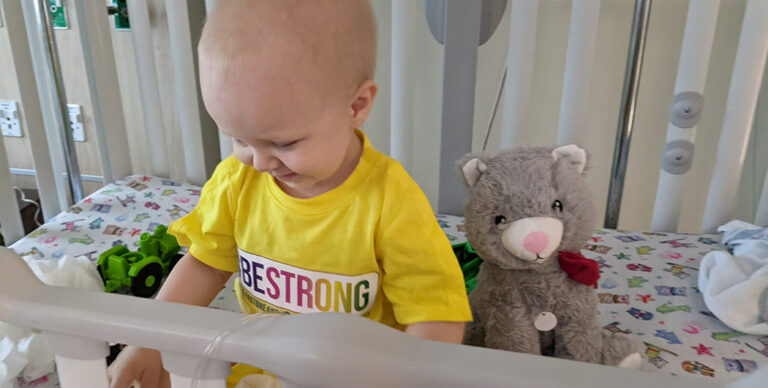


Your Child Has Cancer

When Your Child Has Cancer: How to Cope, Communicate, and Care for the Family
When a parent first hears their child has cancer, it is the worst thing a parent could ever hear. In that instant, your life and your child’s life have changed forever. Feelings of dread, overwhelm, and uncertainty engulf your head. You will receive a great deal of information in a very short period.
To help manage this, try the following;
- Take notes during visits, or ask a trusted friend or family member to do it for you.
- Ask for written information from the care team to review later.
- Speak up if you don’t understand something. Medical terms can be overwhelming.
- Sign up for your child’s online chart to track appointments, lab results, and treatment updates.
The American Cancer Society has lots of information if you want to investigate more about your child’s type of cancer.
Your focus will be on your child, and you may forget about yourself. The reality is that if you don’t take care of yourself as well, you won’t be able to take care of your child.
Just remember, you are not alone. Many families are going through your situation. The feelings you have will vary; there are no right or wrong ones, as everyone is unique. Below is some information about coping and resources available to you during the first few weeks after your diagnosis.
Don’t Forget About Yourself: Why Your Mental Health Matters
Taking care of yourself is not selfish-it’s essential. Parents in crisis often put their own needs last. Your child needs you to be there and be able to advocate for them. Tips for maintaining your mental health:
- The doctors, nurses, social workers, and psychologists can help you, just ask.
- Ask family and friends for help with childcare or meals.
- Joining a family support group with other cancer families.
Small acts of self-kindness, like:
- Taking the family dog for a walk
- Journaling your thoughts
- Taking short naps
- Attending an online mindfulness session
Make sure you are getting enough sleep, or this could have you spiraling downward, which won’t help anyone. Reaching out for counseling is a healthy way to express yourself and manage your emotions. At times, medication can help you over the hump, and taking care of your mental health is an act of strength.
Building Communication with the Care Team
Open communication between you and the care team is essential for the family to feel comfortable. Usually, strong bonds form between the family and the care team. Ask for family meetings to:
- Ask questions
- Share concerns
- Choose how and when you receive updates
These meetings can also help build trust within your family, thereby relieving some stress. Your medical team has different doctors depending on your child’s cancer.
These Providers:
- Oncologists who provide cancer treatment with medication
- Surgeons who perform surgical procedures.
- A radiation oncologist treats cancer with radiation.
- An oncology nurse specializes in caring for children with cancer
- A nurse practitioner or a physician’s assistant who works alongside doctors.
There are more team members, but we will stick with these for now. As stated earlier, a bond forms between the family and the healthcare team.
On occasion, personalities can clash, making communication difficult. Requesting a family meeting with the care team to discuss your concerns may help resolve any misunderstandings and clarify any issues that you have. If all else fails, you are within your rights to request a new doctor.
Talking to Your Child About Their Illness
When a child has cancer, their world changes in an instant. You know your child best, so helping create routines and recognizing when they need help is very important.
Children understand more than we realize. Not being told what’s happening leaves them confused.
Always be honest with your child using age-appropriate language:
- Share simple, truthful information about what’s happening and what to expect.
- Let your child ask questions and answer them honestly.
- Use stories, drawings, or medical play to explain procedures, especially for younger kids.
Studies have shown that when children get information about their diagnosis and prognosis, they experience less anxiety, depression, and social problems than those who had information withheld from them. Parents have reported that talking openly, even about death, can reduce fear and create emotional safety.
If the prognosis changes, your care team can help guide you through these difficult conversations.
Supporting Siblings: Keeping Them Connected and Emotionally Safe
As your life has changed, so has theirs. Their routine and roles can shift, which can be very disturbing for them.
They will also experience varied emotional responses, ranging from:
- Sadness to anger
- Guilt for being healthy
- Fear about their sibling’s condition
- Jealousy over the attention their sibling receives
How to support siblings:
- Talk with them about what’s going on, age-appropriate updates
- Encourage them to talk about how they’re feeling
- Keep to routines as much as possible
- Give them one- on- one attention, even if it’s brief
- Include them in care visits when appropriate so they feel involved.
- Let teachers and school staff know what’s happening so they can provide extra support.
If a sibling appears to be struggling emotionally, consider consulting a psychologist. Having a neutral person to talk to can be extremely helpful.
Final thoughts
Know you are not alone. No parent is ready to hear their child has cancer. The feelings you’re experiencing are real, and they will change from day to day. There is no right way to feel grief, anger, fear, hope, and even moments of joy all exist together.
The good news is that support is out there. You don’t have to go through this alone. The more you reach out for information, emotional support, and rest, the stronger and more resilient your family will be. Take one day at a time. You are doing the best you can, and that is more than enough.
This material is intended as a guide to help you, but please always consult your doctor for medical advice.
Refrences
https://www.cancer.org/cancer/childhood-cancer/helping-siblings.html
https://pubmed.ncbi.nlm.nih.gov/39073864/