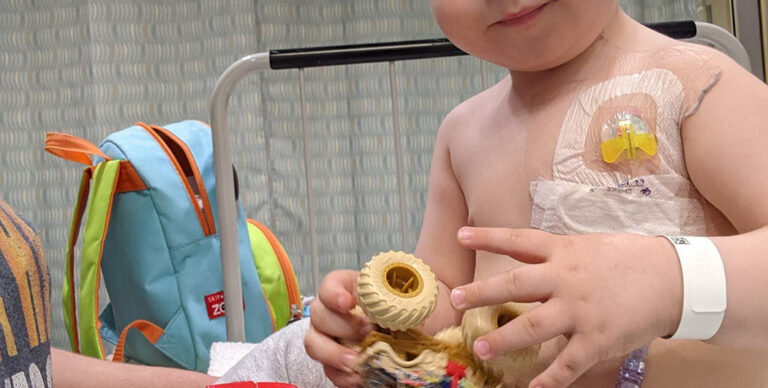


Awareness and Advocacy for Pediatric Cancer

Awareness and Advocacy play a massive role in facing a pediatric cancer diagnosis, which is an overwhelming experience for any family. The journey involves complex medical decisions, emotional disruptions, and logistical challenges. At The Sassy Carmen Foundation™, we are dedicated to providing support and guidance to families navigating this difficult path. This guide aims to help you understand pediatric cancer, the treatment process, how you can support your child, and advocate for better care.
What is Pediatric Cancer?
Pediatric cancers, though less common than adult cancers, are a significant health concern. Each year, over 300,000 children worldwide are diagnosed with cancer. Unlike many cancers in adults, childhood cancers are rarely linked to lifestyle or environmental factors. Instead, they often arise from genetic mutations or other unknown causes. The most common types of pediatric cancer include:
- Leukemias: Cancers of the blood and bone marrow that affect the production of blood cells. Acute lymphoblastic leukemia (ALL) and acute myeloid leukemia (AML) are the most common types.
- Brain Tumors: Tumors located in or around the brain. These can vary widely in type and severity, including medulloblastomas, gliomas, and ependymomas.
- Lymphomas: Cancers of the lymphatic system. The two main types are Hodgkin’s lymphoma and non-Hodgkin’s lymphoma.
Children with these cancers require specialized treatment tailored to their unique needs. Treatment is typically provided at children’s cancer centers, where healthcare professionals are trained to handle the specific challenges of treating young patients.
Advances in Treatment
Over the past few decades, there have been remarkable advances in the treatment of childhood cancers. Survival rates have improved significantly due to innovations in medical science and technology. Treatments now include:
- Chemotherapy: Drugs that kill cancer cells or inhibit their growth. While effective, chemotherapy can have side effects such as nausea, fatigue, and immune suppression.
- Radiation Therapy: Uses high-energy rays to target and kill cancer cells. It is often used in combination with other treatments.
- Surgery: Removing the tumor or cancerous tissue through surgery. This approach is often used for solid tumors.
- Targeted Therapy: Drugs or other substances that specifically target cancer cells with minimal damage to surrounding healthy cells. These therapies are tailored to the genetic makeup of the cancer.
- Immunotherapy: Uses the body’s immune system to fight cancer. This approach is becoming increasingly important in treating pediatric cancers.
Despite these advances, treatments can be aggressive and may lead to long-term health issues, including heart damage, fertility problems, or cognitive challenges. Survivors often require ongoing care and monitoring to manage late effects.
How You Can Support Your Child
1. Educate Yourself and Others
Knowledge is power. Understanding your child’s diagnosis, treatment options, and potential side effects can empower you to make informed decisions and advocate effectively for your child’s needs. The Sassy Carmen Foundation™ offers a wealth of educational resources designed to help families understand pediatric cancer and its treatment. Look for:
- Detailed Guides. Comprehensive information on different types of childhood cancers and treatment modalities.
- Virtual Help. Activities led by those in the field to answer your questions and provide guidance.
- Supportive Materials. Brochures, fact sheets, and online resources that cover various aspects of pediatric cancer care.
By educating yourself and sharing information with family and friends, you can foster a supportive environment for your child and help dispel common myths about cancer.
2. Be an Advocate
Advocacy is a powerful tool in improving pediatric cancer care. Here’s how you can get involved:
- Raise Awareness. Use your voice to educate others about the realities of pediatric cancer. Awareness can lead to increased support and understanding within your community. Consider participating in or organizing awareness events, fundraisers, and educational campaigns.
- Support Policy Change. Engage with advocacy organizations to support policies that increase funding for research and improve access to treatment. You can join these efforts by:
- Participating in Advocacy Events. Attend events organized by advocacy groups to meet with legislators and discuss funding priorities and policy needs.
- Contacting Your Representatives. Reach out to your local and national representatives to voice your support for pediatric cancer initiatives.
3. Seek Support
The emotional and financial burden of a cancer diagnosis can be overwhelming. It’s important to seek out support services that can help you cope.
- Emotional Support. Counseling services provide a safe space for you and your family to express your feelings and receive professional guidance. The Sassy Carmen Foundation™ offers access to a buddy system specifically tailored for families affected by pediatric cancer.
- Financial Assistance. The cost of treatment can be a significant burden. Many Foundations provide financial assistance to help cover medical expenses, travel costs, and other related expenses. See The Sassy Carmen Resource Guide!
- Peer Support Groups. Connecting with other families who are facing similar challenges can offer valuable emotional support and practical advice. We organize support groups and peer networks to help you connect with others who understand what you’re going through.
4. Engage with the Community
Building a strong support network is essential. Engaging with community organizations and advocacy groups can provide additional resources and support. Consider:
- Participating in Community Events. Join events and activities organized by The Sassy Carmen Foundation™ and other local groups. These events can provide opportunities for support, fundraising, and awareness.
- Volunteering. Consider volunteering your time or skills to support pediatric cancer initiatives if you can. Your involvement can make a significant difference in the lives of other families.
5. Monitor Your Child’s Long-Term Health
Survivorship care is a critical aspect of pediatric cancer treatment. Long-term monitoring can help manage and mitigate any late effects of treatment. Ensure your child receives:
- Regular Follow-Ups. Schedule regular appointments with healthcare providers to monitor your child’s health and address any new issues.
- Comprehensive Care. Work with healthcare providers to create a long-term care plan that addresses any potential late effects of treatment and ensures your child’s ongoing well-being.
The Sassy Carmen Foundation™ provides resources and guidance to help families navigate the long-term aspects of survivorship care.
The Role of Advocacy and Awareness
Advocacy and awareness are vital in the fight against pediatric cancer. By supporting these efforts, you contribute to:
- Increase Research Funding. Advocacy helps secure funding for research that leads to new treatments and improved care.
- Policy Improvements. Advocacy can drive legislative changes that improve access to treatment, enhance quality of life for patients, and supports families. Our organization works to influence policy decisions that benefit pediatric cancer patients and their families.
- Enhance Support Services. Awareness campaigns can lead to the development of better support services for families, including financial assistance, counseling, and educational resources. Join us on Facebook
Looking Ahead
The fight against pediatric cancer is ongoing, and there is much work to be done. Future efforts will focus on:
- Developing Less Toxic Treatments. Research is needed to create treatments that are effective but have fewer long-term side effects.
- Enhancing Survivorship Care. Improving care for survivors to address and manage long-term health issues associated with cancer treatment.
- Addressing Disparities. Ensuring equitable access to care and research opportunities for all children, regardless of their background or geographic location.
By continuing to advocate, raise awareness, and support affected families, we can work towards a future where pediatric cancer is not only treatable but preventable.
Your Help is Needed
The journey through pediatric cancer is challenging, but you are not alone. At The Sassy Carmen Foundation™, we are committed to supporting families through education and other programs offered. By understanding the complexities of pediatric cancer, engaging in advocacy, and seeking out support, you can make a meaningful difference in your child’s journey and contribute to the broader fight against childhood cancer.
For more information on how we can assist you and how you can get involved, please visit our website or contact us directly. Your support and advocacy are crucial in creating a brighter future for children battling cancer. Together, we can make a significant impact and ensure that every child has the opportunity to live a full, healthy life.
References
Cancer Research UK. (n.d.). Cancer awareness training programme. Retrieved August 4, 2024, from https://www.cancerresearchuk.org/health-professional/awareness-and-prevention/cancer-awareness-training-programme
National Cancer Institute. (2023, March 14). Types of childhood cancers. Retrieved August 4, 2024, from https://www.cancer.gov/types/childhood-cancers#:~:text=Types%20of%20Cancer%20in%20Children,-In%20the%20United&text=The%20most%20common%20types%20of,certain%20types%20of%20childhood%20cancer
Cure The Kids. (2024, June 1). 6 ways to advocate for children with brain cancer and their families. Retrieved August 4, 2024, from https://curethekids.org/update/6-ways-to-advocate-for-children-with-brain-cancer-and-their-families/
National Cancer Institute. (2023, February 15). Coping with cancer: Support for parents of children with cancer. Retrieved August 4, 2024, from https://www.cancer.gov/about-cancer/coping/caregiver-support/parents
American Childhood Cancer Organization. (2023, September 10). US childhood cancer statistics. Retrieved August 4, 2024, from https://www.acco.org/us-childhood-cancer-statistics/
American Cancer Society. (2023, July 25). Cancer in children. Retrieved August 4, 2024, from https://www.cancer.org/cancer/types/cancer-in-children.html
American Cancer Society. (2023, July 25). Differences between cancer in children and adults. Retrieved August 4, 2024, from https://www.cancer.org/cancer/types/cancer-in-children/differences-adults-children.html