
Plant-based Diet During Cancer Treatment

Healthy Eating During Cancer Treatment
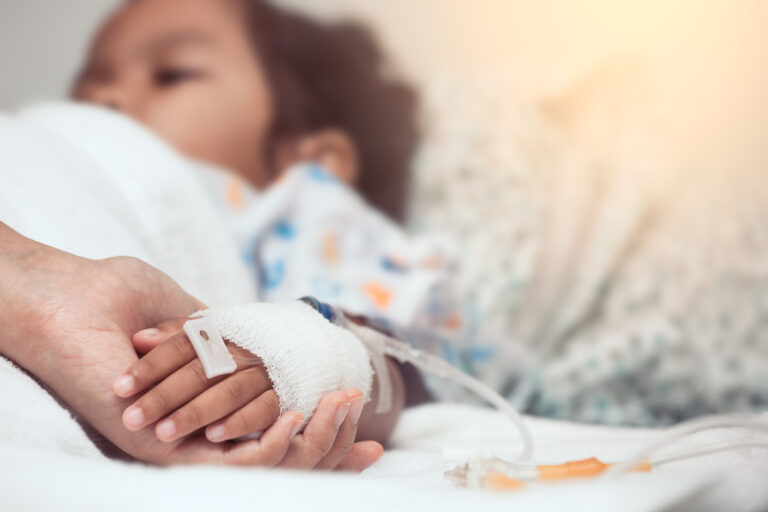
Have you ever bargained with a child during dinner to ensure they eat their fruits and vegetables before diving into dessert? Convincing a child to eat broccoli before a cookie or freeze pop is no small feat when they’re feeling well—but it becomes even more challenging when they’re undergoing cancer treatment. The added layer of illness can make good nutrition feel like a steep hill to climb. Thankfully, the positive effects of a healthy diet make the effort worthwhile.
The American Cancer Society (2022) outlines several benefits of a healthy diet during treatment:
- Improved coping with side effects
- The potential to tolerate higher doses of certain medications
- Increased energy and strength
- Better ability to fight infections
- Improved treatment outcomes
However, for many families in the cancer community, achieving a balanced diet often comes with its own set of challenges.
Nausea and Vomiting
Nausea and vomiting are common side effects of treatments like chemotherapy, but these tips can help manage them:
- Avoid strong-smelling foods: Cook meals when your child isn’t present or outside if odors trigger nausea.
- Rest after eating: Encourage downtime after meals to support digestion.
- Opt for smaller meals: Frequent, smaller portions may prevent nausea better than large meals.
- Steer clear of triggering foods: Spicy, greasy, fried, fatty, or overly sweet foods are best avoided.
- Choose plain, bland foods: Options like whole wheat toast, crackers, oatmeal, bananas, applesauce, or mashed sweet potatoes are gentle on the stomach.
Hydration is also key. Encourage sips of water or ginger ale to combat nausea and maintain fluid levels.
Sore Mouth or Throat
Some treatments may cause a sore mouth or throat, making eating uncomfortable. To ease discomfort:
- Offer soft, pureed, or liquid foods.
- Try cold foods like smoothies to soothe the area while providing nutrition.
- Use a straw to make drinking easier.
- Rinse the mouth with water regularly to promote healing and prevent irritation.
What is a Plant-Based Diet?
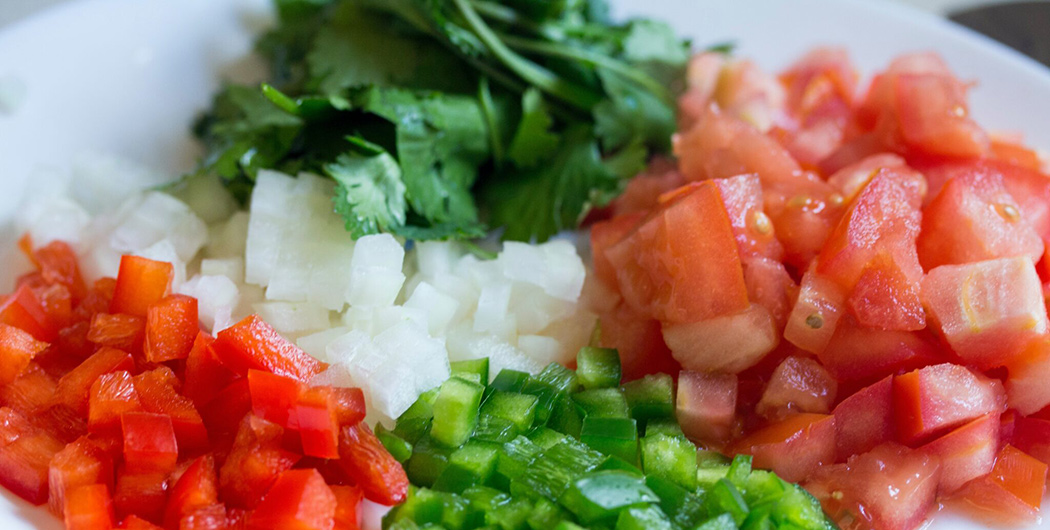
A plant-based diet emphasizes fruits, vegetables, whole grains, legumes, nuts, and seeds. While a fully vegan diet excludes animal products, families can transition gradually by incorporating more high-fiber foods.
High-Fiber Foods
Fiber-rich options include:
- Fruits: Raspberries, pears
- Vegetables: Peas, broccoli
- Grains: Whole wheat spaghetti, barley
- Legumes and seeds: Lentils, black beans
Starting small is key—try simple swaps to boost fiber intake.
Tips for Introducing Plant-Based Meals
- Modify family favorites: Substitute whole wheat flour for white flour or use plant-based milk and butter alternatives.
- Hide veggies in recipes: Add bananas to pancakes, blend vegetables into soups, or try cauliflower “mashed potatoes.”
- Use meat alternatives: Tofu, tempeh, or lentils can replace meat in tacos or casseroles.
Creative recipes like lentil loaf or black bean brownies can make plant-based eating fun and kid-friendly.
Resources for Getting Started
For inspiration, check out nutritionfacts.org or Plant-Based Cooking for Kids by Faith Goimarac Ralphs. Start with one plant-based meal a day and enjoy the benefits of improving your family’s health one bite at a time.
References
American Cancer Society. (2022, March 16). Eating Well During Treatment. https://www.cancer.org/cancer/survivorship/coping/nutrition/once-treatment-starts.html
Balzer, Deb. (2023, September 19). Plant–based diet is encouraged for people with cancer. https://cancerblog.mayoclinic.org/2023/09/19/plant-based-diet-is-encouraged-for-people-with-cancer/
Mayo Clinic. (2023, November 23). Nutrition and healthy eating. https://www.mayoclinic.org/healthy-lifestyle/nutrition-and-healthy-eating/in-depth/high-fiber-foods/art-20050948
Memorial Sloan Kettering Cancer Center. (2023, June 13). Helping Your Child Eat During Treatment. https://www.mskcc.org/cancer-care/patient-education/helping-your-child-eat-during-treatmen