

Child Life Specialist
What Specialized Members of the Healthcare Team Can Do for Your Child with Cancer
When your child or teen suddenly receives a cancer diagnosis, you and your child may feel overwhelmed with fear and questions. Being proactive allows you to get answers from your child’s healthcare providers. But can your child understand these answers, or can they talk with someone else who speaks at their level? Can someone help them express their feelings? Can someone help them with any disabilities? The answer is definitely “yes.” Most children’s cancer treatment centers have specialists dedicated to helping children and teens cope with their diagnosis.
The Child Life Specialist
A certified child life specialist (CCLS) is part of your child’s health care team.
In preparation for this career, they have had education in child development, child education, and child psychology. They usually work with children and families in hospitals and large clinics.
The play or entertainment may be mixed with educational tools to help them learn about what is happening to them, tests and treatments that are planned, and how they can help themselves.
In order to make the child’s time in diagnostic tests and treatments less frightening and painful, they will work with you and the child using pictures and role play, as well as discuss the child’s favorite music or other possible distractions.
A CCLS can bring a sense of normalcy with them to help you and your child become more comfortable and feel more in control. They provide play for children and entertainment for preteens and teenagers.
How Does One Become a Child Life Specialist?
The child life specialist begins by earning a bachelor’s degree, focusing on child development, coping techniques, and communication skills. They may go on to earn a master’s degree, with additional hands-on training and the opportunity to study more advanced concepts.
What Type of Certification Do They Have?
The certified child life specialist must pass 10 college-level courses in child life with at least one course taught by a CCLS. In addition, they must complete an internship of 600 hours under the direct supervision of a CCLS. Then they must pass the Association of Child Life Professionals exam, which is rigorous, lengthy, and objective.
Examples of What They Can Do in a Children’s Hospital Setting
A Certified Child Life Specialist can:
- Help patients be ready for surgery or procedures like chemotherapy, port placement, and/or radiation therapy through medical play.
- Improve patients’ knowledge of their diagnosis, treatment, and care.
- Offer pre-operative tours if appropriate.
- Provide developmentally appropriate play.
- Offer distractions and coping strategies for children and teens.
- Help other children understand their siblings’ illness, procedures, or any surgery.
- Teach parents and caregivers about the developmental effects of their child’s condition.
- Collaborate with the health care team to support patient and family needs through advocacy and communication.
There are some excellent videos available to show you some examples of what a CCLS can do for your child. Carilion Clinic in Virginia has posted one (March 3, 2023). You will find a link to it in the reference list below.
Other Special Events
Your hospital may provide playrooms, possibly one for younger children and one for patients 12 years and older. Child life specialists and volunteers arrange activities in these rooms, keeping a variety of games and activities that can be taken to patients at their bedside.
Periodically throughout the year, the child life specialist may coordinate special events or bring in special visitors, such as princesses, superheroes, Santa, local sports athletes, and other well-known personalities. They may sponsor holiday parties and parades, and possibly volunteer pet therapy dogs that bring comfort and joy to children of all ages.
Benefits of Having a Certified Child Life Specialist Involved with Your Child’s Care
The anxiety and fear that accompany a diagnosis of cancer can increase pain and stress considerably. The CCLS, by bringing play and a sense of normalcy into the child’s healthcare experience, helps to significantly decrease anxiety and fear through education and distraction. The CCLS can also work as a child advocate with the healthcare team to ensure a less stressful experience for the child. They can also provide suggestions and supplies for the parents to provide additional support for the child. The CCLS program has become so successful that it has been suggested that these same benefits be made available to adult patients with cancer and other major diagnoses (Pillai, 2020).
Other Therapists You May Encounter on Your Child’s Health Care Team
- Music and Art Therapists – In some larger pediatric centers, these therapists with special artistic knowledge and skills can decrease anxiety and encourage the expression of feelings related to illness. They can also help decrease the perception of pain, as well as provide other benefits. Music therapists have at least a bachelor’s degree in music therapy, a 1200-hour supervised internship and have passed the board certification exam. They must be proficient in voice, guitar, piano and percussion. Art therapists have a similar education in their field of study, and must earn a master’s degree in art therapy as well as complete a supervised internship of 600 hours. They also learn child development and counseling, and can work with a variety of materials and arts, such as watercolors, oil paints, sketching, and sculpture.
- Therapeutic Gaming and Digital Technology Specialists – Also, in some large pediatric centers, you may find these specialists. They develop a deep connection with children and teens who are more tech-oriented than others. These young patients need complex and diverse distractions during a hospital stay. These specialists maintain and utilize gaming technologies to provide one-on-one or group gaming play. They use their technologies to help children learn goal-setting, resiliency, and coping skills.
- Physical Therapist – can work with young patients on regaining their strength and ability to move around, providing exercises appropriate for their age level.
- Occupational Therapist – usually works with the upper half of the body, reteaching the use of hands and fingers to eat and play.
- Speech Therapist – works with children who may have cancer of the throat, mouth, or esophagus, difficulty with swallowing, impaired speech, or prolonged hoarseness.
How Can I Get One of These Specialists to Work with My Child?
In many places, the child life specialist is automatically referred to make an initial visit with both you and the child, to listen to the child’s needs. They will work with you to create a plan of care that provides for learning and fun, but does not fatigue the child.
Sometimes, either they or someone else on the care team (which you and your child are a part of) will see a need and suggest it, such as a need for physical therapy or one of the other therapies. If a physician’s order is needed to start the therapy, the child’s nurse team will obtain that for you. Rarely will a physician refuse a request! If you don’t meet with a specialist right away, just ask your child’s nurse.
More Help and Support for You, Your Child, and Family
The SassyCarmen Foundation is also available if you need to talk with someone who knows childhood cancer, can listen to your concerns and provide more guidance and encouragement. Your volunteer SassyCarmen helper can provide these things through supportive phone calls and may have further suggestions on helping you and your child cope with the diagnosis and treatment. The Foundation also provides funds for special events and sometimes travel funds for parents. To get in touch with a SassyCarmen volunteer, fill out the form on this website under “Contact Us.”
Remember, you have a whole team of people providing care and love for you and your child. They are there for you!
References
Child life. (2025). Seattle Children’s Hospital. https://www.seattlechildrens.org/clinics/child-life/#cls
Child life specialist. Cleveland Clinic (April 5, 2022). https://my.clevelandclinic.org/health/articles/22651-child-life-specialist
Child life specialist. University of Wisconsin – Madison, Advising and Career Center, School of Human Ecology (2025).
https://advising.humanecology.wisc.edu/careers/child-life
Day in the life of a child life specialist. Carilion Clinic (March 3, 2023).
Family resource center (2025). Multicare/Mary Bridge Children’s Hospital.
Helping children and families have positive health care experiences. MultiCare Mary Bridge Children’s Hospital & Health Network (2025). https://www.marybridge.org/patients-visitors/patient-family-support-services/child-life-services/
Kemery, Kendal (March 26, 2025). Explain like I’m 5: The child life difference. Multicare Vitals.
Pillai, R. L. I. (2020). We All Need a Little TLC: An Argument for an Increased Role of Child Life Services in Patient Care and Medical Education. Hospital Pediatrics, 10(10), 913. https://doi.org/10.1542/hpeds.2020-0119
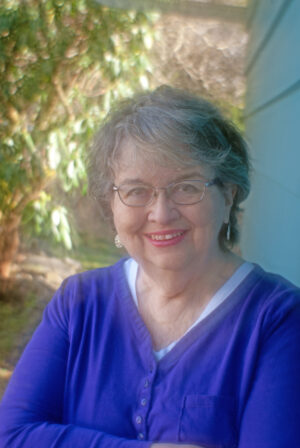
Sherry Ainsworth is a nurse practitioner/freelance writer with over 40 years of experience in nursing. She now writes educational articles and contributes to health-related websites. She lives in Aberdeen, WA, with her husband and two very active cats, and has a 14-year-old granddaughter.