

Understanding Your Grief

Understanding Your Grief: Emotional Responses to a Child’s Cancer Diagnosis
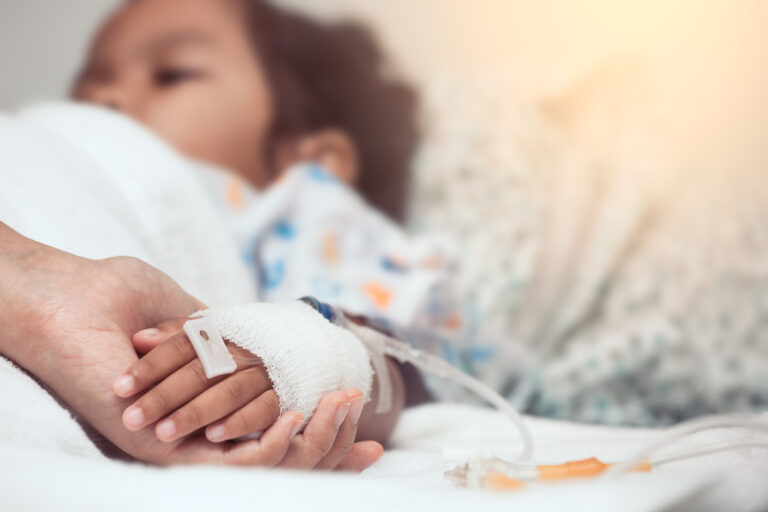
A cancer diagnosis in a child can shatter the foundation of a family’s world. It is not uncommon for you to be thrust into a profound and often overwhelming experience of grief when receiving a cancer diagnosis . Grief is defined as a unique and complex reaction to loss that is personal, cultural, multifaceted, and can change or persist through different stages of their child’s illness, manifesting in various emotional, psychological, and physical forms.
Common Grief Experiences
This article aims to reveal experiences of grief parents and families are most likely to encounter during different stages of their child’s illness as they apply to common grief types experienced with loss from death. Understanding these emotions and incorporating coping strategies can offer a framework to better-support parents and families through this unimaginable journey.
Anticipatory Grief
Also known as preparatory grief, anticipatory grief describes emotions experienced by a loss that has not occurred yet (Walsh, 2021d). This type of grief can begin the moment parents learn of their child’s diagnosis. It is characterized by the fear of potential changes, which can include changes in family dynamics and the anticipation of future hardships such as job loss, time away from work, financial strain, or changes in parental roles that may need to occur. You may find yourself mourning the loss of the normalcy you once knew and the future you envisioned for your children.
Anticipatory grief can cause families to experience a range of emotions, including sadness, anger, and guilt. You might grieve for the anticipated suffering your child will endure and the impact it will have on the entire family. This type of grief is compounded by the uncertainty and unpredictability of the disease’s progression, making it a constant, haunting presence.
Acute Grief
Acute grief can emerge when the initial shock of hearing the child’s diagnosis starts to settle in and the reality of the situation takes hold. It is further complicated by intense emotional pain, worry, and disorganization. You may feel overwhelmed by the immediate demands of medical treatments, the tremendous amounts of information given regarding their child’s disease, hospital stays, and the need to make quick, critical decisions regarding their child’s care.
During this phase, it is not uncommon for you to experience a deep sense of helplessness and despair. The focus can shift to survival, and day-to-day functioning can become a significant challenge. Acute grief is a normal reaction and usually one of shock, characterized by physical symptoms such as sorrow or sadness, fatigue, sleep disturbances, insomnia, tearfulness, and changes in appetite, reflecting the profound stress and emotional turmoil parents and family members are enduring (Mughal et al., 2023).
Ambiguous Loss
Ambiguous loss can occur when you are wrestling with the simultaneous presence and absence of your child. This form of grief is particularly sneaky because it involves mourning the loss of the healthy child you once had while they are still physically present. The illness and its treatment may considerably alter your child’s personality, abilities, and daily life. Characteristics of this type of grief can be sadness, guilt, anger, or confusion.
Ambiguous loss can be further complicated by the lack of societal recognition other types of grief receive, such as bereavement or grief following a death, as it has no defined endpoint and can occur when an outcome is unclear (Walsh, 2021d). This type of loss can leave you in a continuous state of wondering, uncertainty, and mourning without closure until there is a definitive answer. Ambiguous loss may lead to feelings of helplessness and a profound sense of being misunderstood, as many people do not know how to recognize or support parents or families who are grieving this type of loss.
Disenfranchised Grief
Loss or grief that is unvalidated, unrecognized, or unacknowledged by others or society is considered disenfranchised (Walsh, 2021d). Some families may experience disenfranchised grief if there is a lack of social support for their mourning or sadness while navigating the ambiguous or symbolic losses they may be facing during their child’s illness. This type of grief can happen because your child is still alive, or because people expect you to be strong and optimistic for your child’s sake. The societal pressure to remain positive can invalidate the genuine and profound sorrow you and your family may be experiencing during this time.
You might suppress your feelings of grief and emotions to meet the expectations of others, which can lead to hidden grief, emotional numbness, and a sense of isolation-all of which can complicate this type of grief (Walsh, 2021d). There is a greater need for societal awareness surrounding disenfranchised grief and support for the unique challenges you may face as the parent of a children with cancer.
Chronic Grief
As the child’s treatment progresses, you and your family can experience chronic grief, which is a prolonged and enduring form of sorrow. This grief is characterized by a persistent sense of loss and sadness, even when your child’s health might be stable. It is not uncommon for parents who live in a state of heightened anxiety, constantly fearing relapse or complications, to experience this grief.
Chronic grief is complicated and can be emotionally exhausting. You might struggle to find joy in activities you once enjoyed. The prolonged nature of this grief can lead to depression ranging from mild to severe. Feelings of isolation may arise as the intensity of emotions may not be fully understood by friends and extended family who are not directly involved in the day-to-day struggles.
Psychological Well-Being with a Cancer Diagnosis
You child’s cancer diagnosis may adversely affect your psychological well-being. Based on certain studies, the emotional and physical effects of pediatric illness include depression, a sense of powerlessness, anxiety, sleep disturbances, symptoms of post-traumatic stress, feeling overwhelmed, sorrow, perplexity, stress, diminished self-esteem, and a lack of control. Parents experience anxiety related to the fear of losing their children, being unable to address their children’s questions, struggling to respond appropriately to their children’s anger, witnessing their children suffer from treatment side effects, facing the economic, social, and psychological burden on the family, lack of time, and the impact on parental relationships (Mekonnen et al., 2020). Cancer-associated depression impacts not only parents but also the individuals surrounding them.
Families of children with cancer can experience a “doubled worry” as grandparents express increased distress, anxiety, and depression. This type of grief can affect their ability to provide support and care, and they may feel unsure about how to communicate with you (the parent of the child with cancer) after the diagnosis. Consequently, distressed grandparents and extended family members may feel unprepared to support their family. They might choose to keep their distance to avoid being intrusive (Kelada et al., 2019), contributing to disenfranchisement and further worsen grief reactions in parents.
Hope and Resilience
Despite the overwhelming types of grief that can occur, parents and children often display remarkable hope and resilience. Your love for your child can be a powerful motivator, driving you to fiercely advocate for the best possible care and to create meaningful moments despite the circumstances. This resilience is not the absence of grief but rather the capacity to carry on in the face of it.
Coping Techniques
As a parent of a child diagnosed with cancer, managing grief involves navigating a complex emotional landscape. Here are some strategies to help you cope:
- You may find comfort in support groups or online communities to connect with others who understand your experience. Sharing stories and hearing those of others can provide validation and a sense of community. This may help to alleviate feelings of isolation and disenfranchisement. You may also consider therapy or counseling with a mental health professional who specializes in grief or pediatric illness.
- Understand that it’s normal to feel a wide range of emotions, including sadness, anger, guilt, and helplessness. Allow yourself to cry, talk, or write about your feelings. Suppressing emotions can lead to more significant stress.
- Maintain a healthy diet, exercise regularly, and ensure you get enough sleep.
- Don’t hesitate to ask for help from family, friends, or professional respite care services to get a break when needed to engage in activities that bring you joy or relaxation, such as reading, hobbies, or meditation. Performing self-care can improve physical and mental well-being.
- Learning about your child’s diagnosis and treatment while communicating regularly with healthcare providers can reduce feelings of helplessness and give you a sense of control.
- Make time to create positive memories. Take photos, write journals, or engage in fun activities together.
- Acknowledge and celebrate small milestones in your child’s treatment journey.
- Try to maintain a daily routine to give your family a sense of normalcy and stability.
- Recognize and accept what is beyond your control to reduce feelings of helplessness.
- If you have a spiritual or religious belief, draw on your faith for strength and comfort.
- Look for ways to find meaning and purpose during this challenging time, whether volunteering, advocating for cancer awareness, or supporting other families.
Recognizing Grief
Many times in life, we experience a variety of losses with accompanying emotions of grief, however, we may not be able to identify it in the moment. We may call it “anxiety” or “feeling down” or attach some other word to convey our emotions.
The grief you may experience when dealing with a cancer diagnosis may be multifaceted and deeply complex. Not all parents or family members will exhibit each of these reactions, however, many do. Each type of grief brings its challenges and requires different forms of support and understanding.
The Importance of Support
You can navigate your journey with greater resilience by seeking emotional support or professional counseling and utilizing community resources. Understanding the depth and extent of your grief is the first step in helping find a way to live through the unimaginable and continue to provide the love and support your family and children need.
References
Walsh, K. (2021d). Grief and loss: Theories and Skills for the Helping Professions.
Mughal S, Azhar Y, Mahon MM, et al. Grief Reaction and Prolonged Grief Disorder. [Updated 2023 Nov 14]. In: StatPearls [Internet]. Treasure Island (FL): StatPearls Publishing; 2024-Jan. Available from: https://www.ncbi.nlm.nih.gov/books/NBK507832/
Mekonnen, H., Gebreyohannis, G. T., & Cherie, A. (2020). Depression and associated factors among parents of children diagnosed with cancer at Tikur Anbessa Specialized Hospital, Addis Ababa, Ethiopia. Psycho-Oncology, 29(7), 1141–1147. https://doi.org/10.1002/pon.5389
Kelada, L., Wakefield, C. E., Carlson, L., Hetherington, K., McGill, B. C., McCarthy, M. C., Miles, G., Cohn, R. J., & Sansom-Daly, U. M. (2019). How Parents of Childhood Cancer Survivors Perceive Support From Their Extended Families. Journal of Child & Family Studies, 28(6), 1537–1547. https://doi.org/10.1007/s10826-019-01394-9