

Nutrients: Vitamins, Minerals, Fats

Nutrients for Children Undergoing Cancer Treatment
This article is a 3-part series focusing on Nutrients for nutritional education. We are not suggesting treatment or healing.
Part 1: Vitamins for Children Undergoing Treatment
This part will explore the essential vitamins that support a child’s immune system, energy levels, and overall health during treatment. I’ll focus on:
- Vitamin A
- Vitamin C
- Vitamin D
- Vitamin E
- B-Vitamins (including Folate and B12)
Part 2: Amino Acids and Minerals to Support Recovery
This section will highlight key amino acids and minerals critical for cellular repair, immunity, and overall well-being during treatment. These include:
- Protein (Amino Acids)
- Iron
- Magnesium
- Zinc
- Calcium
Part 3: Healthy Fats and Other Nutrients for Growth and Healing
The final part we will discuss are the importance of healthy fats and other nutrients that provide energy, support cognitive function, and enhance the body’s ability to heal and thrive. Key topics will include:
- Omega-3 Fatty Acids
- Monounsaturated Fats (e.g., Olive Oil, Avocados)
- Choline
- Probiotics
Each part will detail:
- The function of each nutrient in supporting health during treatment.
- How each nutrient helps recovery, immune function, or overall well-being.
- Kid-friendly food options that are rich in these nutrients (avoiding processed foods and focusing on whole, fresh ingredients).
Part 1: Nutrients – Vitamins for Children Undergoing Treatment
Introduction
Nutrition and the nutrients play a pivotal role in the health and recovery of children undergoing medical treatment. Whether recovering from surgery, illness, or undergoing cancer treatments, proper nutrition can bolster the immune system, enhance energy levels, and support the body’s healing processes. This blog focuses on the essential vitamins that provide these benefits. We will explore each vitamin’s vital role in supporting children’s health while offering practical suggestions for incorporating nutrient-dense foods into your child’s diet.
Vitamin A: Vision and Immune Function
Vitamin A is crucial for maintaining a healthy immune system, promoting proper growth, and protecting the skin and eyes. During treatment, children’s immune systems can be weakened, making them more vulnerable to infections. Vitamin A reduces inflammation and supports a strong immune response (Tiwari et al., 2019).
Benefits of Vitamin A:
- Strengthens immune defenses.
- Supports eye health and vision.
- Promotes healthy skin.
Food Sources:
- Carrots: Known for their high beta-carotene content, which the body converts into vitamin A.
- Sweet Potatoes: A child-friendly and naturally sweet option.
- Spinach: Incorporate this versatile vegetable into soups, smoothies, or sandwiches.
- Eggs: Rich in vitamin A and often enjoyed by children.
By serving these foods creatively—such as sweet potato fries, carrot sticks with a dip, or scrambled eggs with spinach—you can ensure your child gets adequate vitamin A to support their immune function and overall health.
Vitamin C: Immune System and Antioxidant Power
Vitamin C, or ascorbic acid, is another important vitamin for strengthening the immune system. It helps produce collagen, maintain healthy skin, and absorb iron from plant-based foods. Maintaining a strong immune defense is crucial for children undergoing treatment.
Benefits of Vitamin C:
- Boosts immune function and reduces the duration of illness (Gombart et al., 2020).
- Promotes the healing of tissues.
- Increases the absorption of iron, which is particularly important for children who may be anemic during treatment.
Nutrient Food Sources:
- Oranges: A classic source of vitamin C and easy to pack as a snack.
- Kiwi: Packed with more vitamin C than oranges and a fun, sweet fruit for kids.
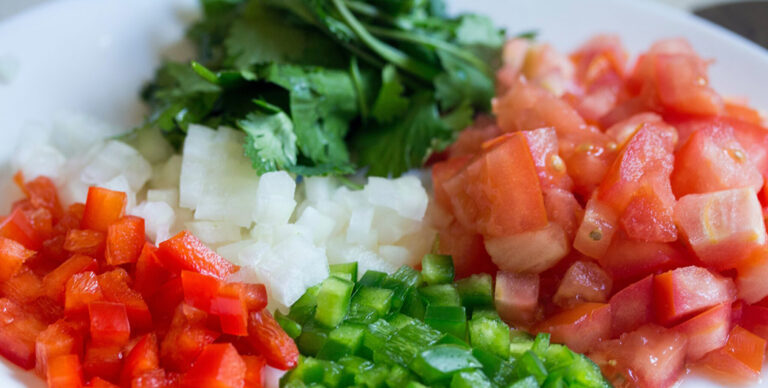
- Bell Peppers: Red, yellow, or orange peppers can be added to salads or even roasted for a sweet treat.
- Strawberries are excellent for adding to smoothies, yogurt, or a snack.
Vitamin D: Bone Health and Immune Boost
Vitamin D is the “sunshine vitamin,” as the body naturally produces it when exposed to sunlight. It is crucial in calcium absorption, bone health, and immune function. During treatment periods, mainly if a child is confined indoors, they may be at risk of vitamin D deficiency.
Benefits of Vitamin D:
- Supports the immune system.
- It improves calcium absorption and strengthens bones.
- Reduces the risk of infections.
Food Sources:
- Fatty Fish (Salmon, Sardines): These are rich in vitamin D and omega-3 fatty acids, which are also crucial for heart and brain health.
- Fortified Milk: Most dairy products are fortified with vitamin D to support bone health.
- Eggs: Egg yolks are a natural source of vitamin D.
When incorporating vitamin D into a child’s diet, aim to make meals more appealing by preparing a simple salmon dish, serving vitamin D-fortified milk with breakfast, or adding eggs to sandwiches or wraps.
Part 2: Nutrients – Amino Acids and Minerals to Support Recovery
Introduction
Certain amino acids and minerals become indispensable for healing, immune support, and overall growth in the recovery phase, particularly for children undergoing medical treatment. These nutrients play vital roles in cellular repair, immune function, and even energy production. In this section, we will focus on the amino acids and minerals most critical for children during treatment, explore their benefits, and suggest food sources that are not only nutritious but also appealing to kids.
Amino Acids: The Building Blocks of Protein
Amino acids are the fundamental units of protein, and they are crucial for repairing tissues, maintaining immune function, and promoting healthy growth. For children undergoing treatment, ensuring adequate protein intake is critical because the body’s ability to repair itself can be compromised. Additionally, protein is essential for maintaining lean body mass and energy levels during recovery.
Benefits of Amino Acids:
- Muscle Repair: Amino acids contribute to muscle repair and recovery.
- Immune Function: Some amino acids (like glutamine) enhance the immune system’s ability to fight infections.
- Growth: Amino acids promote development, particularly in children whose bodies are still developing.
Food Sources:
- Chicken: A lean protein source that is easy to incorporate into various meals, such as chicken soups, sandwiches, or grilled chicken breasts.
- Fish (Salmon, Tuna): Rich in high-quality protein and omega-3 fatty acids.
- Eggs: A kid-friendly food rich in protein, with the added benefit of vitamins like vitamin D.
- Tofu: Add this plant-based protein to stir-fries, soups, or even smoothies.
- Greek Yogurt: Enjoy this high-protein snack on its own, blend it into smoothies, or pair it with fruits.
Incorporating various protein sources will help ensure a steady supply of essential amino acids for muscle repair and immune support.
Iron: Building Red Blood Cells and Oxygen Transport
Iron is an essential mineral that helps form hemoglobin, a protein in red blood cells responsible for carrying oxygen throughout the body. During treatment, many children experience anemia (a condition where the body lacks healthy red blood cells), leading to fatigue and a weakened immune system. Adequate iron intake is crucial for preventing and treating this condition.
Benefits of Iron:
- Oxygen Transport: Iron ensures oxygen is efficiently transported through the bloodstream.
- Energy Production: Iron is vital for energy levels, as it helps convert food to energy.
- Immune Support: Iron supports immune function, helping the body combat infections.
Food Sources:
- Red Meat (Beef, Lamb): Provides heme iron, which the body absorbs easily.
- Spinach: Supplies non-heme iron and absorbs better when paired with vitamin C-rich foods like citrus fruits.
- Lentils and Beans: Offer excellent plant-based iron sources, best paired with vitamin C to improve absorption.
- Fortified Cereals: Many breakfast cereals are fortified with iron and can be an easy and tasty way for kids to get their daily intake.
For children who are picky eaters, try adding iron-rich foods to their favorite dishes—like mixing spinach into scrambled eggs or serving meatballs made with ground beef or lamb.
Magnesium: Supporting Muscles and Nerves
Magnesium is a mineral that plays a key role in maintaining muscle function, nerve function, and bone health. It also supports the body’s ability to produce energy and helps regulate blood sugar levels. Children may experience muscle weakness or cramping during treatment, and magnesium can help ease these symptoms. Additionally, magnesium is essential for overall metabolic health.
Benefits of Magnesium:
- Muscle and Nerve Health: Magnesium helps regulate muscle and nerve function, preventing cramps and spasms.
- Energy Production: Magnesium produces ATP, the body’s primary energy carrier.
- Bone Strength: Magnesium works alongside calcium and vitamin D to promote bone health.
Food Sources:
- Leafy Greens (Spinach, Kale): Add these magnesium-rich greens to salads, wraps, or smoothies with ease.
- Nuts and Seeds (Almonds, Pumpkin Seeds): Enjoy these magnesium-packed snacks on their own or mix them into yogurt or granola.
- Whole Grains (Brown Rice, Quinoa): Use these nutrient-dense grains as a base for a variety of dishes.
- Bananas: A quick snack option, rich in magnesium and easy for children to eat.
Magnesium-rich foods like spinach smoothies, banana slices with nut butter, or a quinoa-based salad are delicious and easy to prepare, ensuring your child gets their needed magnesium.
Zinc: Immune Function and Cell Repair
Zinc is a mineral essential for immune function, cell growth, and wound healing. It supports the body’s ability to fight infections and plays a crucial role in DNA synthesis and protein production. Maintaining zinc levels is crucial for immune strength and tissue repair in children undergoing treatment.
Benefits of Zinc:
- Immune Health: Zinc supports immune function, helping reduce infection risk.
- Wound Healing: Zinc promotes faster healing of wounds and injuries.
- Growth and Development: Zinc is involved in cellular growth and the development of tissues.
Food Sources:
- Beef and Lamb: Rich in zinc and ideal for growing children.
- Chicken: A lean source of protein and zinc.
- Pumpkin Seeds: A plant-based source of zinc that can be added to trail mixes or eaten as a snack.
- Chickpeas: Great for adding to salads or blending into hummus.
For children who enjoy snacks, pumpkin seeds or hummus can be easy, nutrient-dense options for meeting their zinc needs.
Calcium: Strong Bones and Teeth
Calcium is a mineral best known for supporting healthy bones and teeth. During treatment, children may experience decreased calcium absorption, which could impact their bone health. Calcium is also essential for muscle function, nerve signaling, and heart health, making it a crucial nutrient for growing children.
Benefits of Calcium:
- Bone and Teeth Health: Calcium is essential for maintaining strong bones and teeth.
- Muscle Function: Calcium helps muscles contract and relax properly.
- Nerve Transmission: It aids in transmitting messages between the brain and the rest of the body.
Food Sources:
- Dairy Products (Milk, Yogurt, Cheese): Rich in calcium and often fortified with vitamin D to aid absorption.
- Leafy Greens (Collard Greens, Kale): Excellent non-dairy sources of calcium.
- Fortified Plant-Based Milk: Almond, soy, or oat milk is often fortified with calcium.
- Tofu: Another tremendous plant-based source of calcium, especially if prepared with calcium sulfate.
Incorporating calcium-rich foods into a child’s diet can be as simple as adding cheese to a sandwich, serving milk with breakfast, or offering yogurt with fruit for a satisfying snack.
Part 3: Nutrients – Healthy Fats and Other Nutrients for Growth and Healing
Introduction
Fats are essential for supporting children’s overall growth and brain development, especially during recovery. Healthy fats—such as omega-3 fatty acids, monounsaturated fats, and sources of choline—are particularly important in promoting cognitive function, reducing inflammation, and supporting cellular repair. In this section, we’ll explore the types of healthy fats and other nutrients that play a key role in recovery and how they can be incorporated into meals that children will love.
Omega-3 Fatty Acids: Brain Health and Inflammation Reduction
Omega-3 fatty acids are a type of polyunsaturated fat that is essential for brain health and reducing inflammation. They are particularly beneficial during treatment, as they can help reduce the side effects of treatment (such as inflammation) and support cognitive development. Omega-3s are crucial for the proper development of the brain and nervous system in children.
Benefits of Omega-3 Fatty Acids:
- Brain Development: Omega-3s are essential for healthy brain development and cognitive function.
- Reduction of Inflammation: Omega-3s help reduce inflammation, which is essential during recovery.
- Improved Mood: Omega-3s have been shown to support mental health and emotional well-being.
Food Sources:
- Fatty Fish (Salmon, Sardines, Mackerel): Get a rich source of omega-3s by grilling, baking, or mixing these fish into pasta dishes.
- Chia Seeds: Boost your omega-3 intake by adding these tiny seeds to smoothies, yogurt, or oatmeal.
- Walnuts: Enjoy walnuts as a snack or sprinkle them on salads and cereals for extra nutrients.
- Flaxseeds: Add ground flaxseeds to baked goods or blend them into smoothies for a plant-based omega-3 boost.
Monounsaturated Fats: Heart and Immune Health
Monounsaturated fats are another type of healthy fat crucial for heart health, brain function, and reducing inflammation. These fats also support immune function, which is vital for children undergoing medical treatment.
Benefits of Monounsaturated Fats:
- Heart Health: These fats help to lower “bad” cholesterol and improve cardiovascular health.
- Immune Support: They enhance the body’s immune response.
- Cognitive Function: Monounsaturated fats are essential for brain health and can help improve mood.
Food Sources:
- Avocados: Add this versatile, monounsaturated fat-rich food to sandwiches, blend it into smoothies, or serve it as guacamole.
- Olive Oil: Use this heart-healthy oil for cooking or drizzle it over salads and vegetables.
- Nuts (Almonds, Cashews): Enjoy these nutrient-packed nuts as snacks or mix them into salads and cereals for added healthy fats, protein, and fiber.
Choline: Cognitive Function and Liver Health
Choline is an essential nutrient for brain development, liver function, and muscle movement. It plays a key role in forming acetylcholine, a neurotransmitter that supports memory and mood.
Benefits of Choline:
- Cognitive Function: Choline is crucial for brain development and memory.
- Liver Health: It supports the liver in detoxifying the body and processing fats.
- Muscle Movement: Choline is essential for nerve function and muscle control.
Food Sources:
- Eggs: Particularly the yolks, which are rich in choline.
- Liver: A highly concentrated source of choline, though it may be less appealing to some children.
- Chicken: Provides both protein and choline.
- Soy Products: Tofu and soybeans are plant-based sources of choline.
Probiotics: Gut Health and Immunity
Probiotics are beneficial bacteria that support gut health and help strengthen the immune system. They play a vital role in digestion and can help reduce gastrointestinal issues children might experience during treatment.
Benefits of Probiotics:
- Gut Health: Probiotics support a healthy balance of bacteria in the gut, improving digestion and absorption of nutrients.
- Immune System Support: Probiotics enhance immune function and reduce inflammation.
Food Sources:
- Yogurt: Opt for plain yogurt with live active cultures.
- Kefir: A fermented milk drink rich in probiotics.
- Sauerkraut: Add this fermented cabbage to salads or sandwiches.
- Kimchi: Serve this Korean-style fermented vegetable dish as a side.
Conclusion
Ensuring a well-rounded and nutrient-dense diet during treatment can significantly improve a child’s chances of recovery, boost their immune system, and support healthy growth and development. By incorporating a wide range of vitamins, minerals, amino acids, healthy fats, and other essential nutrients, parents and caregivers can help support a child’s health during treatment and beyond.
Please note:
Disclaimer: This information is for educational purposes only and is not intended to diagnose, treat, cure, or prevent any disease. Always consult a healthcare professional before making any medical or dietary changes.
References
Tiwari, S., Sharma, R., & Jha, S. K. (2019)
Vitamin A and immune system modulation: A review of its role in health and disease. Nutritional Journal, 18(2), 12–18. https://doi.org/10.1186/s12937-019-0462-5
Gombart, A. F., Pierre, A., & Maggini, S. (2020)
A review of micronutrients and the immune system: Vitamin C and zinc. Nutrients, 12(1), 1–14. https://doi.org/10.3390/nu12010021
Shields, R., & Goldstein, M. (2018)
The role of omega-3 fatty acids in children’s health and development. Journal of Pediatric Nutrition, 56(4), 447–459. https://doi.org/10.1056/NEJMc1812773
Ko, C. W., & Bernstein, I. H. (2020)
Magnesium and its role in childhood development and health. Pediatric Health and Nutrition Review, 28(3), 74–80. https://doi.org/10.1007/s00520-020-05789-9
Keen, C. L., & Zlotkin, S. H. (2021)
Iron deficiency in pediatric care: An essential nutrient in child development. Pediatrics, 147(5), 125–133. https://doi.org/10.1542/peds.2020-045100
IOM (Institute of Medicine). (2001)
Dietary reference intakes for calcium and vitamin D. National Academy Press.
https://doi.org/10.17226/13050
Rao, A., & Cunningham, D. (2019)
Choline and its role in human health: Implications for pediatric nutrition. American Journal of Clinical Nutrition, 112(2), 123–130. https://doi.org/10.1093/ajcn/nqz164
Bousquet, J., & Anto, J. M. (2020)
Probiotics in children’s health: A review of effects on immune function and gut health. Clinical Nutrition Research, 33(1), 16–25. https://doi.org/10.1016/j.clnu.2020.02.010
Harris, W. S., & von Schacky, C. (2018)
Omega-3 fatty acids and their role in human nutrition. The Journal of Clinical Lipidology, 12(2), 307–313. https://doi.org/10.1016/j.jacl.2018.01.015