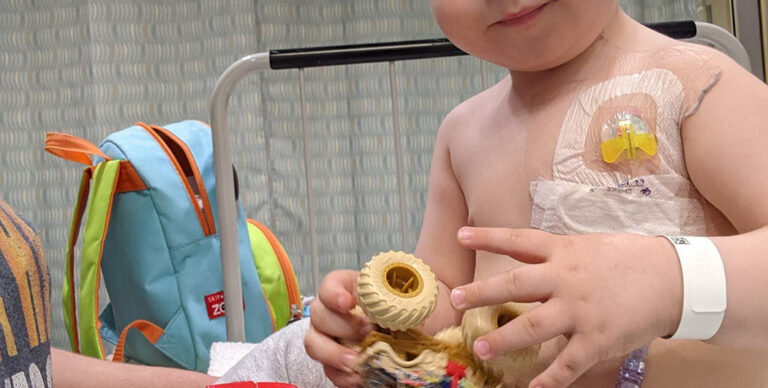


Advances in Pediatric Cancer Research

Advances in pediatric cancer research have made significant strides in recent years, improving diagnosis, treatment, and outcomes for children battling cancer. This article will explore recent developments in pediatric oncology, highlighting promising new treatments, emerging technologies, and ongoing research efforts that aim to enhance the quality of life and survival rates for young cancer patients.
Progress in Precision Medicine
Precision medicine has emerged as a revolutionary approach in treating pediatric cancer. Unlike traditional methods, which often involve a one-size-fits-all treatment, precision medicine tailors’ therapies based on the genetic makeup of a child’s cancer. According to the National Cancer Institute (2023), this approach has led to the development of targeted therapies that can more effectively address specific genetic mutations found in cancer cells. For example, recent studies have identified genetic markers associated with certain types of childhood leukemia, leading to more personalized and effective treatment regimens (National Cancer Institute, 2023).
Innovations in Immunotherapy
Immunotherapy, a treatment that harnesses the body’s immune system to fight cancer, has shown great promise in pediatric oncology. Chimeric antigen receptor (CAR) T-cell therapy is one such advancement. This therapy involves modifying a child’s T-cells to better recognize and attack cancer cells. Recent clinical trials have demonstrated the potential of CAR T-cell therapy in treating difficult-to-treat cancers such as pediatric acute lymphoblastic leukemia (ALL) (American Cancer Society, 2023). The success of these trials is paving the way for broader use of immunotherapy in treating childhood cancers.
Enhancing Early Detection
Early detection remains a critical factor in improving cancer outcomes. Advances in imaging technologies and biomarkers are enhancing early detection methods. The development of more sophisticated imaging techniques, such as high-resolution MRI and PET scans, allows for the more accurate identification of tumors and their spread (American Childhood Cancer Organization, 2023). Additionally, researchers are investigating the use of liquid biopsies, which involve detecting cancer cells or DNA in a blood sample, as a non-invasive method for early detection and monitoring (Cure The Kids, 2024).
Improved Treatment Protocols
Recent research has also led to refinements in treatment protocols, aiming to increase efficacy while minimizing side effects. Protocols for chemotherapy, radiation, and surgery are being optimized to better target cancer cells while sparing healthy tissues. For instance, advances in radiation therapy techniques, such as proton therapy, offer a more precise method of delivering radiation to tumors with less damage to surrounding healthy tissues (American Cancer Society, 2023). These improvements help reduce long-term side effects and improve overall quality of life for young cancer survivors.
Ongoing Research and Future Directions
The field of pediatric cancer research is dynamic, with ongoing studies continuously pushing the boundaries of what is possible. Research into the genetic and environmental factors contributing to pediatric cancers is providing new insights that could lead to preventive measures and novel treatments. The integration of artificial intelligence (AI) and machine learning in analyzing large datasets is also aiding in the discovery of new biomarkers and therapeutic targets (National Cancer Institute, 2023).
Hope for the Future
Advances in pediatric cancer research are transforming the landscape of childhood oncology. From precision medicine and immunotherapy to improved early detection and treatment protocols, these innovations are contributing to better outcomes for young cancer patients. As research continues to progress, the hope is that these advancements will lead to even more effective and less toxic treatments, ultimately improving the survival rates and quality of life for children affected by cancer.
References
- Cancer Research UK. (n.d.). Cancer awareness training programme. Retrieved August 4, 2024, from https://www.cancerresearchuk.org/health-professional/awareness-and-prevention/cancer-awareness-training-programme
- National Cancer Institute. (2023, March 14). Types of childhood cancers. Retrieved August 4, 2024, from https://www.cancer.gov/types/childhood-cancers#:~:text=Types%20of%20Cancer%20in%20Children,-In%20the%20United&text=The%20most%20common%20types%20of,certain%20types%20of%20childhood%20cancer
- Cure The Kids. (2024, June 1). 6 ways to advocate for children with brain cancer and their families. Retrieved August 4, 2024, from https://curethekids.org/update/6-ways-to-advocate-for-children-with-brain-cancer-and-their-families/
- National Cancer Institute. (2023, February 15). Coping with cancer: Support for parents of children with cancer. Retrieved August 4, 2024, from https://www.cancer.gov/about-cancer/coping/caregiver-support/parents
- American Childhood Cancer Organization. (2023, September 10). US childhood cancer statistics. Retrieved August 4, 2024, from https://www.acco.org/us-childhood-cancer-statistics/
- American Cancer Society. (2023, July 25). Cancer in children. Retrieved August 4, 2024, from https://www.cancer.org/cancer/types/cancer-in-children.html
- American Cancer Society. (2023, July 25). Differences between cancer in children and adults. Retrieved August 4, 2024, from https://www.cancer.org/cancer/types/cancer-in-children/differences-adults-children.html