

Cancer Treatments & Body Health

Building A Strong Foundation
The time from childhood to adolescence is one of rapid growth and development. From taking the first steps to the first day of school, a child learns new skills at a fast pace. As a child physically develops, building a strong foundation by optimizing bone growth, building lean muscle mass, and establishing cardiovascular fitness is essential. However, a cancer diagnosis can present as an abrupt interruption in daily life, and the treatments that follow can impact physical development. The effects of pediatric cancer treatments can be minimized through intentional play to address bone density, deconditioning, and muscle development.
Cancer Treatments And Bone Health
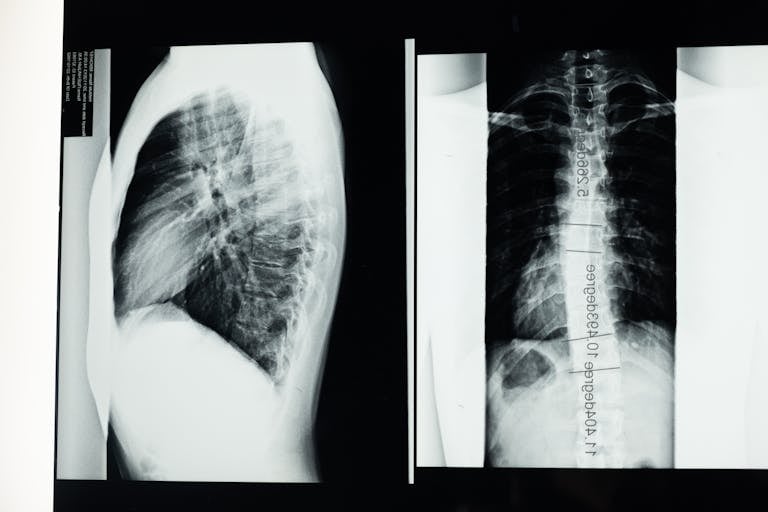
The development of strong bones in childhood through adolescence plays a vital role in skeletal health into adulthood. The level of peak bone mass in early adulthood is a primary indicator of whether an individual will be at risk for developing osteoporosis later in life. Many factors influence bone growth and achieving peak bone mass. Cancer treatments such as radiation, chemotherapy, and the use of corticosteroids can have both a direct and indirect effect on bone health. Associated risk factors for developing low bone density include decreased body weight, malnutrition, low levels of growth hormone, and lack of physical activity.
Understanding Bone Development
Bone consists primarily of a collagen matrix combined with hydroxyapatite minerals. Bones undergo a constant cycle of remodeling and adaptation to the stresses placed on them. Osteoclasts are cells responsible for removing old bone, while osteoblasts are responsible for forming new bone. When a bone is challenged with an external load, it adapts and remodels itself to become stronger. When bone is not challenged, it becomes weaker. Vitamin D and calcium are commonly known traditional dietary recommendations for bone support. Just as proper diet and nutrition are essential for skeletal health, regular physical activity is vital for bone formation and maintenance.
Importance Of Lean Muscle Mass
Developing lean muscle mass in childhood is essential for proper physical development into adolescence and adulthood. Strong muscles assist with gross motor coordination, improved balance, flexibility, and overall mobility. Muscle endurance and the ability to perform sustained activities also contribute to overall fitness and activity levels. Muscles are primarily protein and protect against the wasting effects of cancer treatments. Muscles contain amino acids that aid tissue repair, and lean muscle mass supports a healthy metabolism. Pediatric cancer survivors are at a higher risk for having lower body weight and decreased muscle mass as compared to their peers.
Cancer Treatments and Muscle Development
Cancer treatments can affect muscle quality, placing survivors at risk for developing sarcopenia, which is a condition that involves decreased muscle strength, reduced levels of muscle mass, and low-quality muscle tissue. When functional performance is affected, sarcopenia is considered severe. Treatments often occur in combination, ranging from radiation to chemotherapy, with additional drug interventions to offset inflammatory responses that occurred due to the primary treatment regimens. Radiation to a muscle can cause the soft tissue to contract and be less flexible. Chemotherapeutic agents can affect the body’s ability to repair itself, affecting soft tissue and muscles. The use of corticosteroids to offset an inflammatory response from cancer treatments can cause muscle atrophy, which is the shrinking or wasting of the muscle. The exact mechanism for which cancer treatments affect muscle mass is not well understood due to diverse therapeutic approaches combined with variable post-treatment side effects.
Recovery And Monitoring Strategies
Maintaining lean muscle mass and keeping bones strong throughout and after a cancer diagnosis requires intention. Awareness and active monitoring are an initial way to combat the side effects of cancer treatment on muscle and bone health. Consult with your care team on what to expect post-treatment regarding fatigue levels and activity restrictions. Allow children time for rest and recovery post-treatment. However, once a healthcare professional clears a child to resume activity levels, consider incorporating activity in small bouts. Daily exercise can help keep muscles and bones strong and promote heart health. An exercise routine for a child should serve a dual purpose of being fun and relieving stress but also challenging enough to build strength and maintain cardiovascular health.
Integrating Activity Into Daily Life
A cancer diagnosis can interrupt daily life. However, resuming activities can help restore a sense of normalcy. A way to incorporate activity into daily activity is to involve a child in daily household chores. A caregiver may tend to exclude a child from participating in regular household responsibilities. However, involving a child in activities such as sorting and folding laundry, putting dishes away, or walking the family dog can help foster feelings of inclusion and self-worth for a child. Activities such as these promote both strength and mobility. Reaching overhead into a high shelf to put a plate away helps a child maintain adequate range of motion. Carrying a laundry basket full of clothes requires strength and places an external load on bones, helping them stay strong.
Technology Enhanced Exercise Options
Virtual reality gaming has been shown to improve pain, reduce anxiety, and improve mental health. Depending on the gaming system, the level of immersion can vary from fully immersive to semi or non-immersive. Activity levels with this type of gaming can range from sedentary and semi-sedentary to providing a full-body cardiovascular workout. Children who are still experiencing the acute side effects of cancer treatments may have limited tolerance for full-body activities. Depending on the type of virtual reality game selected, a child can participate in a seated or semi-reclined position while still using the upper extremities for simulated movements. As a child regains energy levels, participation in a standing position can help promote balance, coordination, and overall endurance. Although gaming systems are a plus for encouraging increased activity levels while providing a distraction from daily stressors, cost-effective and fun alternatives are still available to promote health and well-being.
Maximizing Exercise Compliance
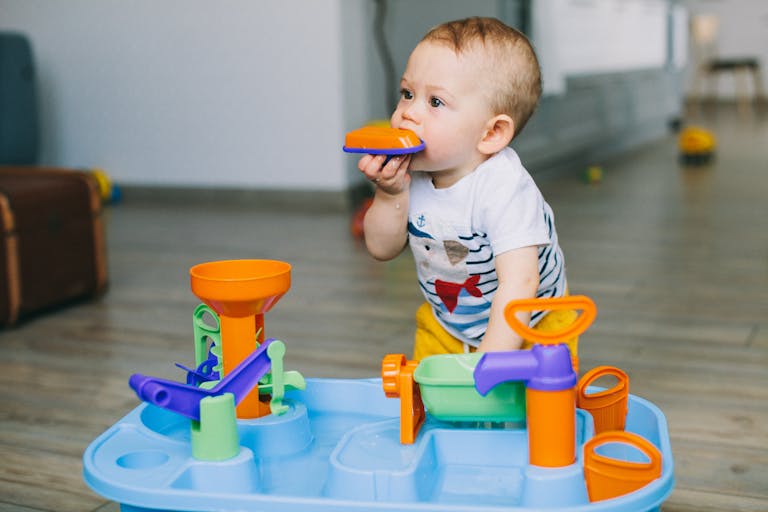
The goal of any exercise program is to design one that can be performed consistently while retaining a high compliance level. An exercise program should include activities that promote flexibility, strength, and endurance. Each child is different, so finding activities that engage a child’s attention span may take some experimenting. For younger children with shorter attention spans, keeping the duration short while rotating activities frequently may be helpful. Older children with longer attention spans can participate in sustained exercise for extended periods without losing interest. Choose age-appropriate activities that interest a child to foster participation and increased engagement. Younger children may like hopscotch and jumping rope, which provide a physical stimulus that promotes bone growth. Activities such as dancing, playing tag, and negotiating an obstacle course all help foster cardiovascular health and coordination. Older children may be more interested in sports activities such as throwing a football or doing yoga.
Building A Foundation For Recovery
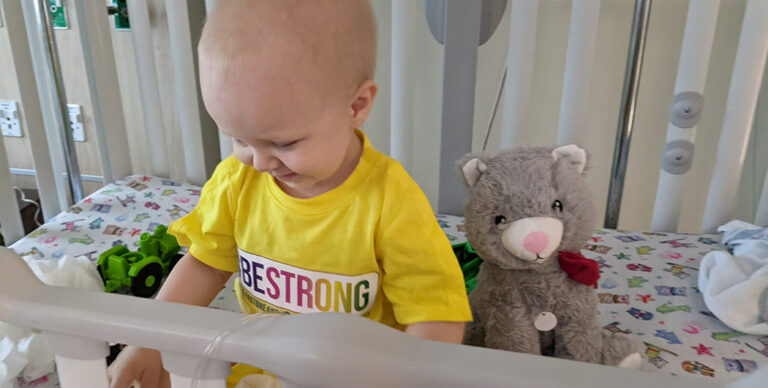
The key to counteracting the effects of cancer treatment on bone density, cardiovascular health, and muscle development occurs through awareness and intention. Promoting intentional play for pediatric cancer survivors can be enjoyable for both a child and a caregiver. While a cancer diagnosis has the potential to thrust a child into an adult situation, providing fun, engaging activities that allow a child to play and laugh can be a welcomed relief. If you need support, the Sassy Carmen Foundation can help. The Sassy Carmen Foundation is a 501(c)3 Nonprofit Organization that supports children and families battling pediatric cancer.
References
- Braam, Katja I, et al. “Design of the Quality of Life in Motion (QLIM) Study: A Randomized Controlled Trial to Evaluate the Effectiveness and Cost-Effectiveness of a Combined Physical Exercise and Psychosocial Training Program to Improve Physical Fitness in Children with Cancer.” BMC Cancer, vol. 10, no. 1, 11 Nov. 2010, https://doi.org/10.1186/1471-2407-10-624.
- Czech, Oliver, et al. “Virtual Reality in Chemotherapy Support for the Treatment of Physical Functions, Fear, and Quality of Life in Pediatric Cancer Patients: A Systematic Review and Meta-Analysis.” Frontiers in Public Health, vol. 11, 12 Apr. 2023, https://doi.org/10.3389/fpubh.2023.1039720.
- Goodenough, Chelsea G., et al. “Skeletal Muscle and Childhood Cancer: Where Are We Now and Where We Go from Here.” Aging and Cancer, 20 May 2021, https://doi.org/10.1002/aac2.12027.
- Lai, Byron, et al. “Extended Reality Gaming for Exercise and Mindfulness throughout Pediatric Cancer Rehabilitation: Randomized Controlled Trial Protocol (Preprint).” JMIR Research Protocols, vol. 13, 30 July 2024, https://doi.org/10.2196/64879. Accessed 28 Dec. 2024.
- Marcucci, G., et al. “Bone Health in Childhood Cancer: Review of the Literature and Recommendations for the Management of Bone Health in Childhood Cancer Survivors.” Annals of Oncology, vol. 30, no. 6, June 2019, pp. 908–920, https://doi.org/10.1093/annonc/mdz120. Accessed 26 Dec. 2022.
- van Atteveld, Jenneke E, et al. “Bone Mineral Density Surveillance for Childhood, Adolescent, and Young Adult Cancer Survivors: Evidence-Based Recommendations from the International Late Effects of Childhood Cancer Guideline Harmonization Group.” The Lancet Diabetes & Endocrinology, vol. 9, no. 9, Sept. 2021, pp. 622–637, https://doi.org/10.1016/s2213-8587(21)00173-x.