
Physical Activity & Mental Wellness

A cancer diagnosis at any stage in life is overwhelming. When cancer enters the conversation, children and adolescents may feel the mental health effects of cancer longer than the physical effects. With the immediate focus of a cancer diagnosis centered on coordinating a treatment plan, figuring out logistics, and sorting through insurance, families have little time left over for anything else. It is easy for families to overlook mental health and wellness. Promoting empowerment and emotional well-being in children and adolescents who’ve experienced a cancer diagnosis requires establishing healthy behaviors to deal with the stressors that accompany cancer treatments. Physical activity can serve as a non-pharmacological tool to address mental health and wellness.
Cancer Treatment Side Effects
Young adults and adolescent cancer survivors are at a higher risk for developing anxiety and depression. Cancer treatments disrupt daily life, which may isolate children from their peers. Researchers have documented the physical side effects of cancer treatments well. Long-term side effects from cancer treatments can reduce range of motion, decrease muscle strength, and cause nerve pain and generalized fatigue. Reduced activity levels may continue into adulthood and later in life. Additionally, younger children experiencing a cancer diagnosis may miss achieving developmental milestones on time. While there are numerous studies on the physical side effects of cancer treatments in pediatric cancer patients, researchers have conducted limited studies on the long-term mental health impacts.
Physical Activity And Daily Routines
Incorporating physical activity into a daily routine can serve a dual purpose, addressing physical impairments and positively impacting well-being. Studies have shown a correlation between low cardiovascular endurance and depressive-type symptoms. Cancer-related fatigue, often present during and immediately after cancer treatments, can negatively impact quality of life. Children may have low energy reserves, limiting their participation in activities they enjoy. This can contribute to social isolation. Physical activity has a positive effect on improving mood through the production of endorphins. Participation in regular exercise is associated with increased dopamine levels, a neurotransmitter that helps promote feelings of well-being. Incorporating movement and exercise into daily routines can help a child maintain cardiovascular health, muscle strength, and overall fitness levels while also positively impacting mood.
Aerobic Activity And Cognitive Health
Studies show that increased physical activity levels improve cognitive and executive functioning skills. Executive functioning skills involve planning, decision-making, and problem-solving; they also help regulate emotions. Specifically, research shows that aerobic activity positively influences brain health. Aerobic activity helps increase brain function by improving the connections in the brain, which can help with learning and motor planning. It can improve memory and enhance cognitive flexibility, which is the ability to switch between different mental tasks without becoming overwhelmed. Implementing physical activity early in life significantly impacts brain development and emotional regulation. Additionally, studies show positive outcomes when people participate consistently in aerobic activity. Therefore, the importance of engaging in regular physical activity and establishing a routine to promote physical health and brain development should not be understated.
Physical Activity And Quality Of Life
A child’s level of physical ability influences their quality of life. By improving endurance levels, children will be better able to tolerate activities they enjoy. However, children undergoing cancer treatment may be at risk for developing exercise intolerance. Parents and caregivers should tailor activity levels to match a child’s functional capacity to prevent excessive frustration. Monitoring a child’s response to activity and slowly increasing exercise intensity over time is important to avoid regression. If a child struggles to perform daily activities and has difficulty increasing activity levels over time, consultation with a pediatric rehabilitation specialist may be beneficial. Physical rehabilitation specialists are trained in both the evaluation and treatment of physical impairments. They can provide a tailored treatment approach to improve a child’s physical abilities and outcomes.
Young Children
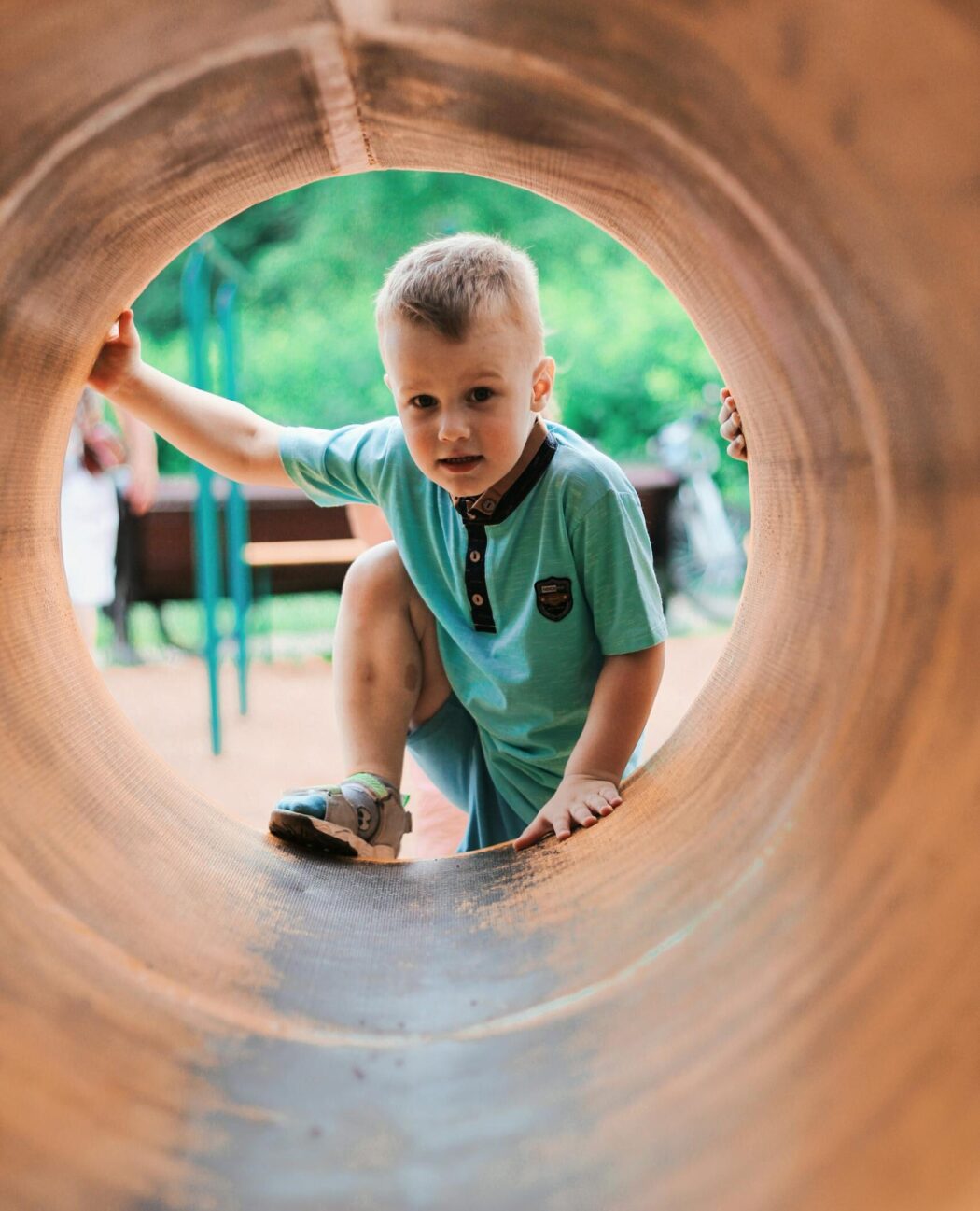
The impact of a cancer diagnosis and its effects on mental health can affect children differently, depending on their age. Very young children react differently than teenagers to a cancer diagnosis. Children up to two years of age rely on caregivers for their basic needs and don’t have the verbal skills to fully express themselves. Hospitals or treatment centers filled with strangers may cause a child to become fearful or have increased anxiety about being separated from a parent, which can result in yelling outbursts or withdrawal. School-age children may show signs of sadness or worry. Incorporating play into an exercise routine can help relieve stress. Including friends and family members in exercise can help increase a child’s participation while also shifting the child’s focus to engaging and fun activities.
Teenagers
If a teenager receives a cancer diagnosis, they may have concerns about the impact on friendships and appearance. Compliance levels with exercise programs can be lower due to social influences or social isolation. Teenagers may face additional peer pressures at this age, such as exposure to alcohol and tobacco use. Adherence to maintaining a healthy lifestyle may be more challenging for teenagers. Establishing a strong social network and encouraging positive strategies for self-care and stress management can help teenagers cope with a cancer diagnosis. Physical activity can provide an avenue for teenagers to engage in social activity and help them shift focus to activities they enjoy. Incorporating activities such as yoga, stretching, or even daily walks with friends and family can help encourage movement-based relaxation strategies.
Parent And Caregiver Health
Focusing on mental health throughout and after a cancer diagnosis is an important component of a child’s cancer journey. However, parents and caregivers may often neglect their own health during this stressful time. Physical activity can benefit everyone, from child to caregiver. Although doctor’s appointments may fill the calendar, consider scheduling time with your child for physical activities that promote physical health and mental well-being. Establishing healthy habits to deal with daily stressors takes both time and intention. Laying the foundation for a healthy future starts now. If you need support, the Sassy Carmen Foundation can help. The Sassy Carmen Foundation is a 501(c)3 Nonprofit Organization that supports children and families battling pediatric cancer.
References:
1. Helping Your Child Adjust to a Cancer Diagnosis. Cancer.org. Published 2022. Accessed February 11, 2025. https://www.cancer.org/cancer/childhood-caner/helping-your-child.html
2. McGrady ME, Willard VW, Williams AM, Brinkman TM. Psychological Outcomes in Adolescent and Young Adult Cancer Survivors. Journal of clinical oncology. 2024;42(6):707-716. doi: https://doi.org/10.1200/jco.23.01465
3. Spreafico F, Barretta F, Murelli M, et al. Positive Impact of Organized Physical Exercise on Quality of Life and Fatigue in Children and Adolescents With Cancer. Frontiers in Pediatrics. 2021;9. doi: https://doi.org/10.3389/fped.2021.627876
4. Zang W, Fang M, Chen H, et al. Effect of concurrent training on physical performance and quality of life in children with malignancy: A systematic review and meta-analysis. Frontiers in Public Health. 2023;11. doi: https://doi.org/10.3389/fpubh.2023.1127255
5. Zang W, Zhu J, Xiao N, et al. Effects of aerobic exercise on children’s executive function and academic performance: A systematic review and meta-analysis. Heliyon. 2024;10(7):e28633. doi: https://doi.org/10.1016/j.heliyon.2024.e28633