
During Chemotherapy
From Winter Colds to Summer Germs: How to Keep Your Child Well on Chemotherapy All Year
Chemotherapy changes your daily routine. Appointments, lab work, and doctor visits take up a lot of time. Chemotherapy can weaken the immune system. Although this is a common side effect, it requires more adjustments to your daily routine. A child with a low immune system is more prone to infections. Children are exposed to germs throughout the year. Children can pick up germs at school, on playdates, and during outdoor activities. However, taking some extra steps can help protect your child throughout the year.
Avoiding Germs that You Know Exist
Germs are everywhere. However, they are harsher on children with a low immune system. These children cannot fight off infections the way they did before chemotherapy. The common cold can cause more severe symptoms.
When family members and friends are sick, tell them to avoid contact with your child. Instead, set up FaceTime or Zoom calls. This will prevent your child from feeling isolated while they stay protected from viruses. Once those family members or friends have recovered, they can visit in person again. When someone in your household is sick, ask them to wear a mask and minimize physical contact. Handwashing also helps reduce the spread of germs.
Do your best to avoid large crowds. The more people, the higher the risk of being exposed to germs. Normally, the immune system fights off germs during short-term exposure. However, a weak immune system is unable to fight off germs as easily. Explaining to a young child why they cannot go to theme parks, festivals, and plays can be difficult. Remind them that this change is temporary. Plan fun activities at home or outdoors with a smaller group of people. Ask your child’s pediatric oncologist when your child can interact with larger groups of people again.
Your child should not clean up after pets. Cat and dog waste contain certain bacteria. This bacterium can cause infections. These infections can be more severe for people with a low immune system.
Back to School and Winter Colds
Back-to-school means new books, supplies, and clothes. It also means new sniffles, coughs, and sneezes. Viruses circulating through the classroom in the fall and winter are common. Children are indoors more often during these months. Teaching children to use the “vampire sneeze” technique can help reduce the spread of germs. Washing hands before eating food is also a helpful habit. Regardless, being in close quarters with other humans increases the risk of exposure to viruses.
Respiratory virus infections (RVI’s) are common. However, they cause about 57% of cases of “febrile neutropenia” in children. This means that a child has a fever and a low neutrophil count. Neutrophils help fight off infection. A healthy immune system usually builds a defense against viruses over time. A child is more likely to get sick from RVI’s when their immune system is weak.
In addition to RVI’s, children are exposed to other common childhood illnesses. This includes chicken pox, the flu, and more. If your child is in school, contact their teacher. Ask them to notify you if your child is exposed to an illness in the classroom.
Vaccines help support the immune system. Your child’s doctor can tell you which vaccines are safe for your child. Some vaccines are given at certain ages. Some vaccines require more than one shot. Chemotherapy can affect the vaccine schedule. Your child might receive certain vaccines before or after chemotherapy. The pediatric oncologist can provide guidance on a vaccine schedule.
Summer Outdoor Activities
During summer, the days are longer and the temperatures are warmer. More time is spent outdoors. It is challenging to say no to summertime activities for children. Although extra precautions are necessary, your child can still enjoy the summer months.
Climbing, running, and jumping are all part of exploring the outdoors. If your child ends up with cuts or scrapes, make sure to wash them right away. Increased redness and swelling are signs of infection. If you notice these symptoms over the next 1-2 days, contact your doctor’s office.
Avoid prolonged sun exposure. Chemotherapy can make a child’s skin more sensitive to sun damage. If possible, avoid outdoor activity during peak sun UV ray exposure times (~10 A.M. to 4 P.M.). When outside, find a shady area for your child to play in. A hat and sunscreen help to block direct UV rays. These steps help to prevent short-term and long-term sun damage.
Swimming in the pool or the ocean is a favorite summer activity. If your child has neutropenia (a low neutrophil count), it is best to avoid public swimming pools and the ocean. Your pediatric oncologist can provide guidance on when it is safe for your child to go swimming. If your child has a tunneled catheter for chemo, they can also offer guidelines on safe care for your child’s port while swimming.
Children’s energy levels change during chemotherapy cycles. Your child might feel more tired on some days. Plan for low-key activities on these days. Have coloring books or storybooks available. Children might need longer naps on these days.
It might feel like some of these restrictions take the fun out of planning activities. It takes energy to plan safe and fun events. Sassy Carmen’s “Creating Memories” program offers help. It provides creative ways of bringing joy to children and families.
Eating to Support the Immune System
A balanced diet supports and fuels the immune system. Some children only want certain foods before treatment. Chemotherapy can change the taste buds. It can cause other side effects. Your child’s food preferences might change during chemotherapy.
One side effect of chemotherapy can be mouth sores. Eating food with mouth sores can be painful. Soft foods such as scrambled eggs, mashed potatoes, and smoothies help to overcome this barrier.
Chemotherapy treatment can cause nausea. Some foods are easier on the stomach. Crackers or pretzels can help alleviate these symptoms. Have your child eat full meals well before chemotherapy. Your child can take their anti-nausea medicine, as prescribed. If your child’s current medicine is not working, talk to your child’s doctor. Finding the right medication can sometimes be a trial-and-error process.
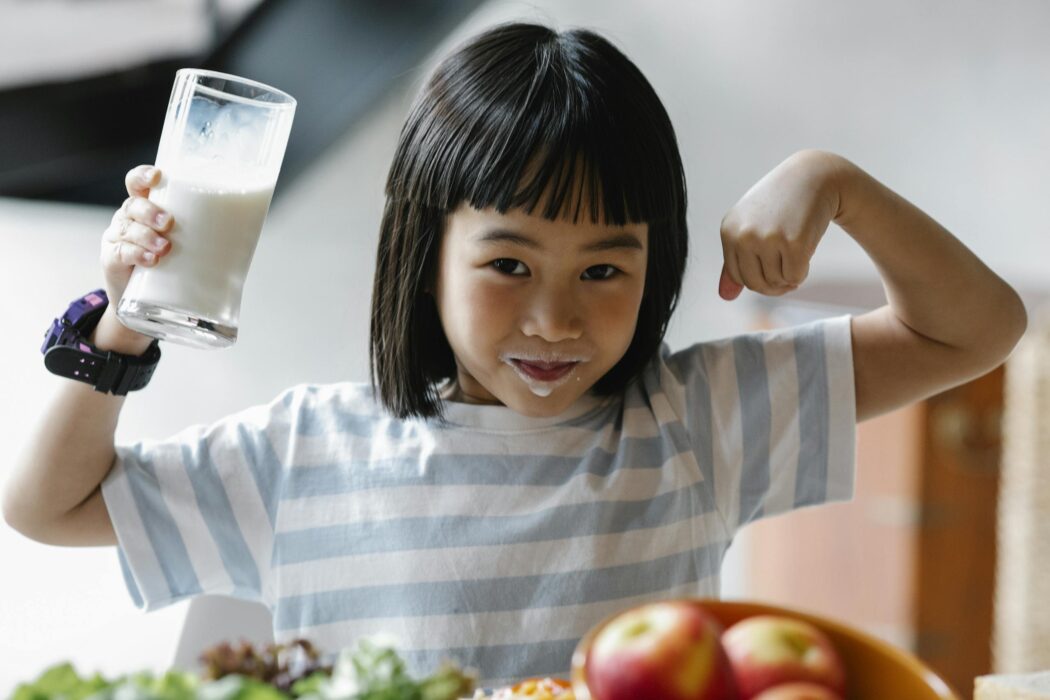
Please encourage your child to eat food when they are hungry. Chemotherapy can affect when and what children want to eat. They might like different foods. They might want smaller meals more frequently. Adapting to their preferences ensures they receive the most nutrition throughout the day.
Sassy Carmen’s Nutrition Services program offers support for your child’s nutritional needs. They work with your child’s hospital dietitian to form a meal plan. The program also educates on proper nutrition.
Continuing to Adapt
Chemotherapy changes many things in life. It changes routines, activities, and food choices. The recommended precautions are not meant to make life more difficult. They are meant as guidelines for living a healthy life. Your child can still go outside and interact with friends. The goal is to recognize changes and make modifications as needed. This helps your child live a balanced and healthy life.
References
Centers for Disease Control and Prevention. (2024, September 26). Respiratory Viruses and People with Weakened Immune Systems. https://www.cdc.gov/respiratory-viruses/risk-factors/weakened-immune-systems.html
DeMarco, Cynthia. (2023, February 8). Neutropenic Precautions: 5 Dos and Don’ts for This Cancer Treatment Side Effect. MD Anderson Cancer Center. https://www.mdanderson.org/cancerwise/neutropenic-precautions–5-dos-and-don-ts-for-this-cancer-treatment-side-effect.h00-159616278.html#
Leukemia & Lymphoma Society. (n.d.) Caring for Your Child During Treatment. Retrieved on June 23, 2025 from https://www.lls.org/sites/default/files/National/USA/Pdf/Publications/Pediatric_Caregiver_Workbook_CH8_Caring_for_Your_Child_During_Treatment.pdf
Memorial Sloan Kettering Cancer Center. (n.d.) Helping Your Child Eat During Treatment. Retrieved on June 23, 2025 from https://www.mskcc.org/cancer-care/patient-education/helping-your-child-eat-during-treatment
Santolaya, M.E., Delgado-Araneda, M., Torres, J.P. (2023). Respiratory Viral Infections in Pediatric Hematology/Oncology Patients. EJC Paediatric Oncology, Vol. 2 (100119), https://doi.org/10.1016/j.ejcped.2023.100119.
Stavleu D.C., Mulder, R.L., Kruimer, D.M., Kremer, L.C.M., Tissing W.J.E, Loeffen, E.A.H. (2024). Less Restrictions in Daily Life: A Clinical Practice Guideline for Children with Cancer. Support Care Cancer, 32(7):419. Retrieved from the PubMed database. doi: 10.1007/s00520-024-08537-9
United States Environmental Protection Agency. (n.d.). Ultraviolet (UV) Radiation and Sun Exposure. Retrieved on June 25, 2025 from https://www.epa.gov/radtown/ultraviolet-uv-radiation-and-sun-exposure
World Cancer Research Fund. Can people with cancer go swimming? Retrieved on June 23, 2025 from https://www.wcrf.org/living-well/living-with-cancer/your-questions-answered/can-people-with-cancer-go-swimming/